 11
11
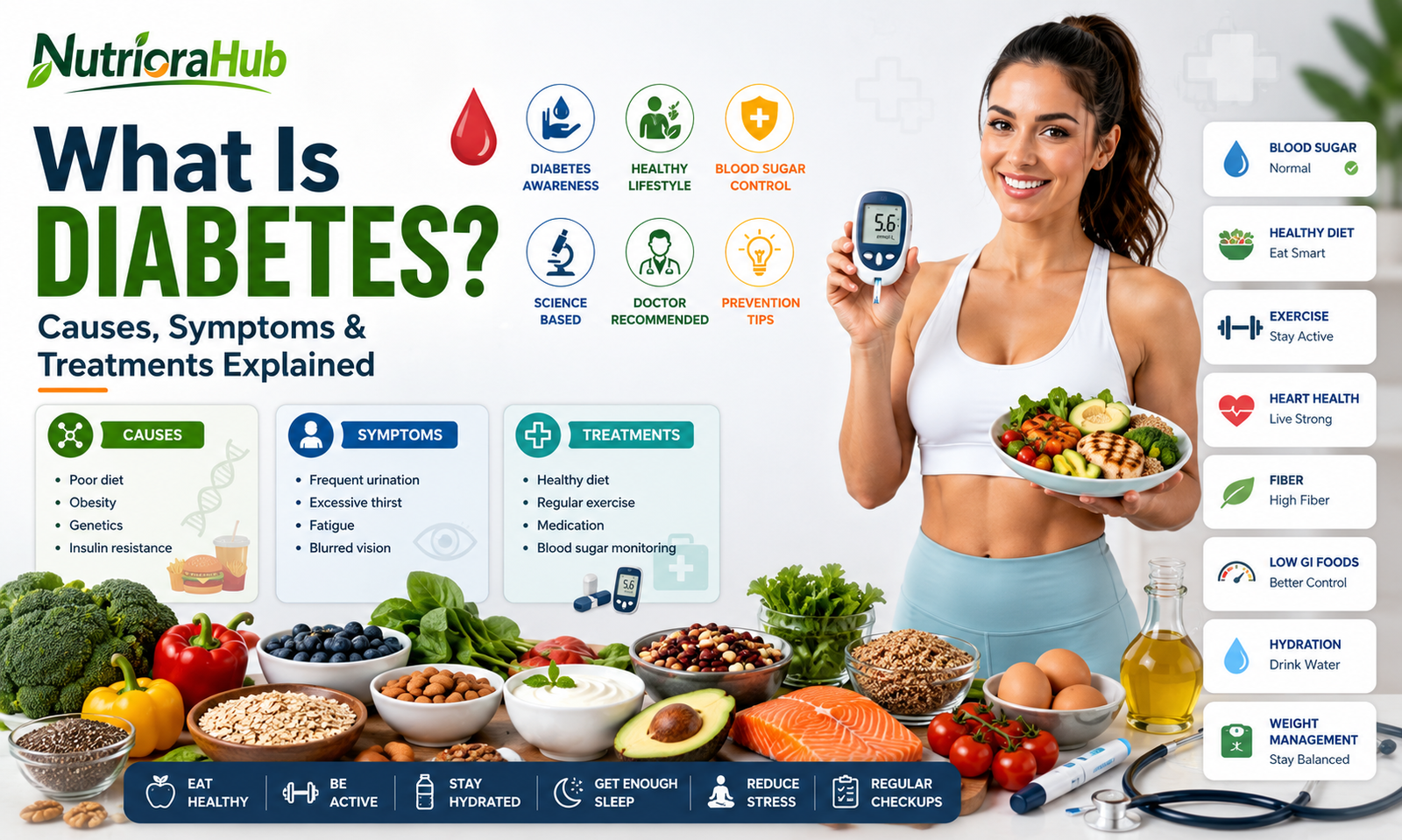
Millions of people search every single day to understand what is diabetes, and for good reason. Diabetes is one of the most common chronic health conditions in the world today. However, with the right knowledge, it is entirely possible to manage it well and live a full, active, happy life.
In this guide, we will walk you through everything you need to know in a simple, positive, and easy-to-follow way. From causes to symptoms to modern treatment options, this article covers it all. So, let’s dive right in.
To begin with, what is diabetes exactly? In simple terms, diabetes is a condition where your body has trouble regulating blood sugar levels. Normally, insulin helps move sugar from your blood into your cells for energy.
However, when the body doesn’t produce enough insulin, or doesn’t use it properly, blood sugar levels rise. As a result, this leads to the condition doctors call diabetes.
The good news is that diabetes is very manageable today. Thanks to modern medicine, better nutrition awareness, and healthier lifestyles, people with diabetes can absolutely thrive.
When people first ask what is diabetes, they are often looking for reassurance just as much as facts. Therefore, clear, positive information matters more than ever.
Moreover, clear answers help replace fear with confidence. After all, knowledge is one of the most powerful tools for long-term health.
Before going further, here is a simple table that answers what is diabetes at a glance:
| Aspect | Explanation |
|---|---|
| Definition | A chronic condition affecting blood sugar regulation |
| Main Hormone Involved | Insulin |
| Common Types | Type 1 Diabetes, Type 2 Diabetes, Gestational Diabetes |
| Manageable? | Yes, with proper care and Diabetes Management |
| Reversible (Type 2 in early stages) | Often improvable with lifestyle changes |
As you can see, understanding what is diabetes doesn’t have to be complicated. In fact, once broken down, it becomes much easier to grasp.
Now that we’ve covered what is diabetes at a basic level, let’s explore the different types. Each type has its own causes, and understanding them helps with better Diabetes Management.
Meanwhile, it’s worth noting that all types are manageable with the right care, support, and positive lifestyle habits. Additionally, revisiting the basics at each stage of life helps make diagnosis feel far less overwhelming.
| Type | Who It Affects | Typical Onset |
|---|---|---|
| Type 1 Diabetes | Often diagnosed in children and young adults | Sudden |
| Type 2 Diabetes | Common in adults, increasingly seen in younger people | Gradual |
| Gestational Diabetes | Pregnant women | During pregnancy |
Interestingly, what is diabetes for a child can look quite different from what it looks like for an adult. For instance, children are more commonly diagnosed with Type 1 Diabetes, while adults more often develop Type 2 Diabetes gradually.
Nevertheless, both age groups can enjoy excellent outcomes with early diagnosis, consistent Diabetes Management, and supportive care from family and healthcare teams.
Before listing the causes, it helps to remember that what is diabetes ultimately comes down to how your body handles insulin and glucose. Understanding diabetes causes is an important step toward prevention and management.
Fortunately, many diabetes causes are well understood by medical experts today. Here are the most common diabetes causes:
Additionally, it’s encouraging to know that several diabetes causes are within your control. Therefore, small, positive lifestyle changes can make a meaningful difference.
For instance, adding more High Protein Foods and reducing processed sugar intake can meaningfully lower your risk. Similarly, staying active supports healthy blood sugar levels naturally.
Recognizing these causes reinforces just how much prevention matters for long-term wellbeing.
Symptoms often make people ask what is diabetes for the very first time. Recognizing diabetes symptoms early leads to faster diagnosis and better outcomes, so awareness truly is empowering.
Common diabetes symptoms include:
That said, symptoms can vary from person to person. Nevertheless, if you notice several of these signs together, it’s a good idea to consult a healthcare provider.
| Symptom | Type 1 Diabetes | Type 2 Diabetes |
|---|---|---|
| Onset Speed | Fast, within weeks | Slow, over months or years |
| Weight Change | Often weight loss | Often weight gain |
| Thirst and Urination | Very common | Common |
| Fatigue | Common | Common |
Overall, the clearer you are on what is diabetes and its symptoms, the faster you can seek supportive care and start feeling better.
Diagnosis simply confirms what is diabetes looks like in your unique body, and the process itself is straightforward and reassuring. Typically, doctors use one or more simple blood tests to confirm blood sugar levels.
Consequently, once diagnosed, patients can move quickly into an effective, personalized treatment plan built around their specific needs.
Once you know what is diabetes and how it affects you personally, treatment becomes far less intimidating. The good news is that diabetes treatment has advanced tremendously.
Today, there are more effective, comfortable, and accessible options than ever before:
In addition, many people find that combining medical treatment with everyday lifestyle habits produces the best results. Every treatment plan reflects what is diabetes for that specific person, which is why personalization matters so much.
| Treatment Option | Best Suited For | Key Benefit |
|---|---|---|
| Insulin Therapy | Type 1 Diabetes | Direct blood sugar control |
| Oral Medication | Type 2 Diabetes | Improves insulin sensitivity |
| Glucose Monitors | All types | Real-time tracking |
| Nutrition Coaching | All types | Long-term Diabetes Management |
Altogether, treatment is not one-size-fits-all. Instead, it’s tailored to each person’s needs, which makes success far more achievable.
Naturally, food plays a central role in Diabetes Management. Good Nutrition choices are shaped by understanding what is diabetes and how food affects blood sugar throughout the day.
Here are some simple, positive nutrition habits to embrace:
Furthermore, small, consistent changes in Nutrition often lead to lasting results. Therefore, there’s no need to feel overwhelmed by big, drastic changes.
| Food Category | Example Foods | Blood Sugar Impact |
|---|---|---|
| High Protein Foods | Eggs, fish, tofu, lentils | Low, steady impact |
| Whole Grains | Oats, quinoa, brown rice | Gradual, healthy rise |
| Leafy Greens | Spinach, kale, broccoli | Minimal impact |
| Refined Sugars | Candy, soda, pastries | Rapid spike |
As a result, making thoughtful food swaps is one of the easiest and most rewarding ways to support long-term health.
Since excess weight can influence insulin resistance, healthy Weight Loss Tips are genuinely valuable. They work especially well when paired with a clear picture of what is diabetes and its underlying risk factors.
Fortunately, sustainable weight loss doesn’t require extreme measures:
In turn, these Weight Loss Tips support both blood sugar stability and long-term confidence, one small step at a time.
Physical activity is another wonderful tool for managing blood sugar naturally. Specifically, exercise routines become even more effective once you understand what is diabetes and how movement improves insulin sensitivity.
Similarly, even short, regular movement breaks throughout the day can meaningfully improve blood sugar control and overall mood.
Many myths exist around what is diabetes, so let’s gently set the record straight. Clearing up confusion helps people feel more confident and less anxious.
| Myth | Fact |
|---|---|
| Eating sugar directly causes diabetes | Diabetes causes are more complex, involving genetics, weight, and activity levels |
| People with diabetes can’t eat carbs at all | Balanced portions of healthy carbs fit well into most eating plans |
| Diabetes always requires insulin | Many people manage Type 2 Diabetes with Nutrition, exercise, and oral medication |
| Diabetes means an unhealthy life | With good Diabetes Management, life can be active, joyful, and full |
Ultimately, living with diabetes today looks very different than it did decades ago. Thanks to better tools, awareness, and support systems, people are thriving more than ever before.
Above all, remember that a diagnosis is simply a starting point, not a limitation.
Diabetes is a condition where blood sugar levels are higher than normal because the body doesn’t use insulin effectively.
In many cases, yes. Healthy Nutrition, regular exercise, and Weight Loss Tips can significantly lower risk, especially for Type 2 Diabetes.
No, they are different. Type 1 Diabetes is autoimmune, while Type 2 Diabetes typically develops gradually due to insulin resistance.
High Protein Foods, whole grains, and leafy greens are excellent choices for steady blood sugar levels.
Absolutely. With proper Diabetes Management, most people live full, active, and happy lives.
This varies by individual, so it’s best to follow your healthcare provider’s personalized recommendation.
Diabetes Management simply means the everyday habits, treatments, and checkups that keep blood sugar steady and stable.
Trusted wellness resources, community programs, and reputable health platforms are wonderful places to start.
To sum up, understanding what is diabetes, its causes, symptoms, and treatment options empowers you to take positive action. Moreover, with consistent Good Nutrition, smart Weight Loss Tips, and regular care, managing diabetes becomes far more approachable every single day.
Therefore, whether you’re newly diagnosed or supporting a loved one, remember that knowledge truly is the first step toward a healthier, brighter future. For more helpful, positive guidance on Nutrition, diabetes-friendly living, and overall wellness, visit NutrioraHub, your trusted partner in everyday health.




One thought on “What Is Diabetes? Everything You Need to Know”