 11
11
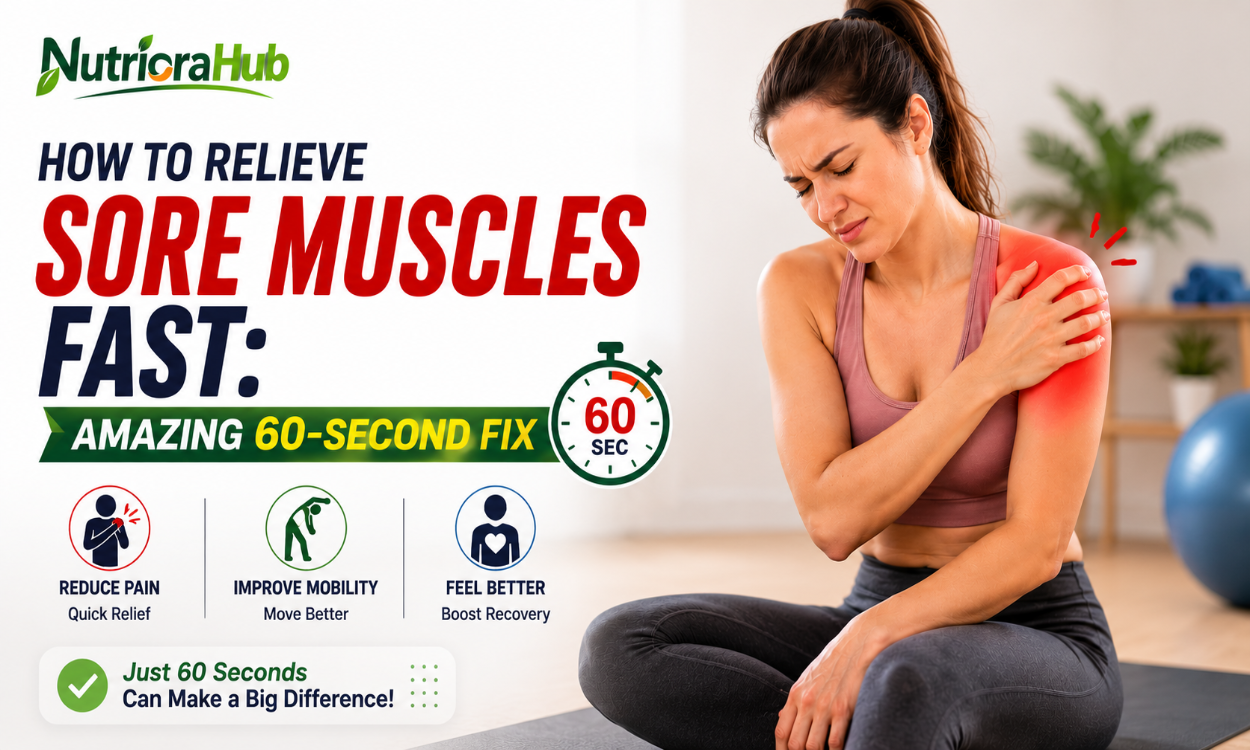
You know the feeling — you crushed a great workout yesterday, felt like a champion walking out of the gym, and then this morning you can barely lift your arms to brush your teeth. That deep, achy stiffness is your body’s way of telling you it worked hard, but it doesn’t make climbing stairs or sitting down any less painful. If you’re here searching for How to Relieve Sore Muscles, you’re definitely not alone, and the good news is there are real, effective ways to feel better fast.
This guide covers everything you need to know about How to Relieve Sore Muscles — the science behind why it happens, quick relief methods, longer-term recovery strategies, and answers to the questions people ask most. We’ll also break things down with tables, a pros and cons section, and practical daily habits you can start using today.
🛒 Sponsored: Want to recover faster after tough workouts? [Try Advanced Amino Formula here] —
Before diving into How to Relieve Sore Muscles, it helps to understand why soreness happens at all. That familiar ache — known medically as delayed onset muscle soreness, or DOMS — typically shows up 12 to 24 hours after a workout and peaks around 48 hours later. It happens when muscle fibers experience tiny amounts of microscopic damage during exercise, especially from new movements, increased intensity, or eccentric contractions like the lowering phase of a squat.
This isn’t a bad thing. In fact, this microscopic damage is part of how muscles rebuild themselves stronger. But knowing How to Relieve Sore Muscles during the recovery window can make the difference between feeling miserable and getting back to your routine comfortably. Let’s break down exactly How to Relieve Sore Muscles step by step, starting with the fastest options first.
If you’re wondering how to get rid sore muscles as quickly as possible, here are the methods that actually make a noticeable difference:
Combining a few of these approaches together tends to work better than relying on just one when you’re trying to figure out how do i get rid of sore muscles overnight.
People often ask what helps with sore muscles beyond the basics, especially when soreness is severe. Here’s a breakdown comparing different relief methods:
| Method | How It Helps | Best For |
|---|---|---|
| Heat therapy | Relaxes muscle tension, improves blood flow | General stiffness, 24+ hours post-workout |
| Cold therapy | Reduces inflammation and swelling | Acute soreness, right after intense activity |
| Stretching | Improves flexibility, reduces tightness | Daily maintenance and prevention |
| Massage/foam rolling | Breaks up tension, boosts circulation | Deep, localized soreness |
| Active recovery | Keeps blood flowing without added strain | Days after a hard workout |
| Sleep | Allows the body to repair muscle tissue | Overall recovery and long-term progress |
What helps sore muscles most often comes down to a combination of rest, movement, and giving your body the nutrients it needs to actually repair itself — which is really the heart of How to Relieve Sore Muscles for good.
Learning how to ease sore muscles for the long run comes down to building smart habits into your routine:
Knowing what to do for sore muscles immediately after exercise can actually reduce how bad the soreness gets later. In the first hour or two post-workout:
Taking these steps early often means less severe soreness the following day.
This is one of the most debated questions in fitness: should you workout when sore, or is rest always the better choice? The honest answer depends on the severity of your soreness and which muscles are involved.
Working out when sore is generally fine if the soreness is mild and you’re targeting a different muscle group than the one that’s sore. However, if the pain is severe, limits your range of motion, or feels sharp rather than achy, it’s smarter to rest or choose light active recovery instead.
| Pros | Cons |
|---|---|
| Keeps your routine and momentum consistent | Can worsen soreness if pushed too hard |
| Increases blood flow, which may speed recovery | Risk of injury if form suffers due to stiffness |
| Builds mental discipline and consistency | May reduce workout performance and intensity |
| Works well for light, active recovery sessions | Not ideal for the same muscle group two days straight |
| Can improve mood through endorphin release | Severe soreness may signal you need more rest |
Many people turn to a muscle recovery supplement to speed up the process, especially after intense training blocks. Common ingredients found in effective recovery supplements include branched-chain amino acids (BCAAs), magnesium, and electrolytes — all of which support muscle repair and reduce inflammation when paired with proper rest and diet.
While supplements can offer a helpful boost, they work best as an addition to good habits, not a replacement for sleep, hydration, and smart training. Choosing a quality muscle recovery supplement with clinically supported ingredients tends to make the biggest difference.
Good Nutrition might be the single most underrated factor in how quickly sore muscles heal. A diet built around lean protein, healthy fats, and complex carbohydrates gives your body the raw materials it needs to repair damaged muscle fibers efficiently. High Protein Foods like chicken, eggs, fish, and legumes are especially important in the hours following a workout, when your muscles are primed to absorb nutrients for repair.
Platforms like NutrioraHub have made it easier for everyday people to understand how specific food choices connect directly to workout recovery, turning complicated dietary science into practical, doable habits that actually fit into a busy schedule.
Not all muscle discomfort is the same, and understanding the type you’re dealing with can guide the right recovery approach:
Recognizing which category your discomfort falls into helps you choose the right recovery strategy instead of guessing.
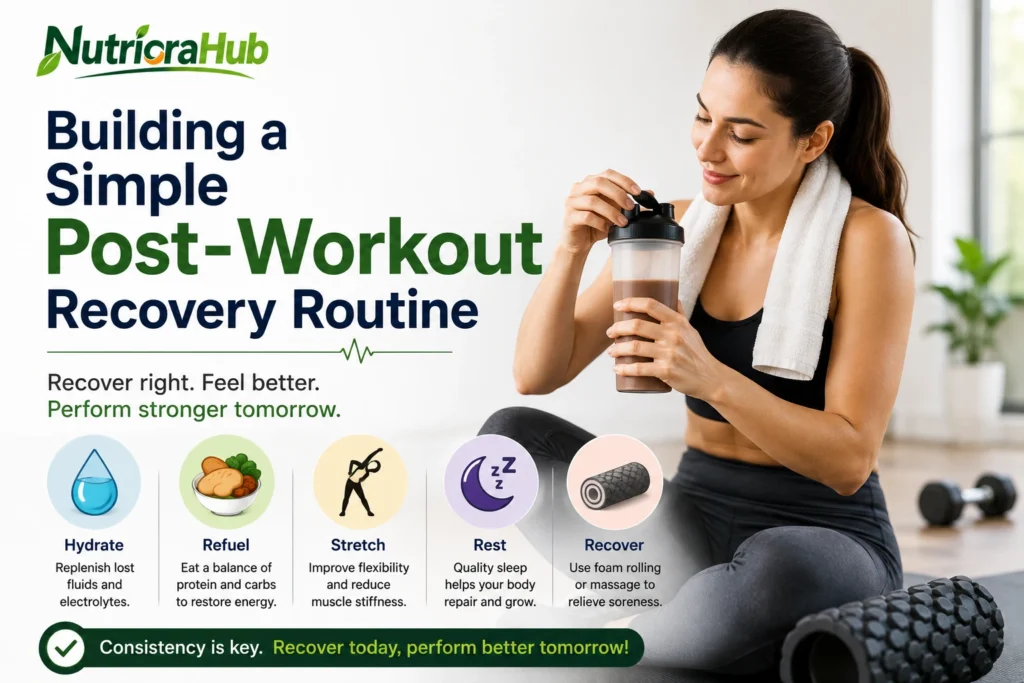
Consistency matters more than any single trick. Here’s a simple, realistic routine many people find effective:
| Timeframe | Action |
|---|---|
| Immediately after | Cool down with light movement and gentle stretching |
| Within 30-60 minutes | Rehydrate and eat a protein-rich snack or meal |
| That evening | Take a warm bath or use a heating pad on tight areas |
| Next morning | Light active recovery, like walking or gentle mobility work |
| Ongoing | Prioritize sleep, hydration, and balanced meals daily |
Sticking to a routine like this, even loosely, tends to noticeably reduce how long soreness lingers after tough workouts.
Most muscle soreness is completely normal and resolves within a few days, but certain signs suggest it’s time to see a doctor rather than just relying on typical How to Relieve Sore Muscles tips and waiting it out:
These symptoms could point to an actual injury or a more serious underlying issue that needs professional evaluation.
If you want to explore How to Relieve Sore Muscles and recovery science further, these five well-established resources are excellent, reliable places to start:
| Resource | Focus Area |
|---|---|
| American College of Sports Medicine | Exercise science and recovery guidelines |
| Mayo Clinic | Symptoms, causes, and treatment guidance |
| Cleveland Clinic | Detailed condition explanations and prevention tips |
| National Academy of Sports Medicine (NASM) | Fitness and recovery best practices |
| World Health Organization (WHO) | Global physical activity guidelines |
A combination of light movement, hydration, heat or cold therapy, and a proper diet tends to offer the fastest, most noticeable relief.
Prioritizing sleep, staying hydrated, and eating a protein-rich meal before bed all support faster overnight muscle repair.
Light activity or a different muscle group is usually fine, but severe or sharp soreness is a signal to rest that specific area.
It can be if the soreness limits your range of motion or masks an actual injury, so listening to your body’s signals matters.
They can help support recovery when combined with good sleep, hydration, and a balanced diet, though they aren’t a magic fix on their own.
Massage, foam rolling, warm baths, proper hydration, and adequate protein intake all play a meaningful role in easing soreness.
Most soreness peaks around 48 hours after exercise and fully resolves within three to five days for most people.
Learning How to Relieve Sore Muscles isn’t about finding one magic trick — it’s about combining a few simple, consistent habits: gentle movement, proper hydration, good sleep, and giving your body the nutrients it needs to repair itself. Whether you’re dealing with soreness from a new workout routine or pushing through a tough training block, these small steps genuinely make a difference.
Soreness is a sign that your body is adapting and getting stronger, not a signal to fear. Listen to what your muscles are telling you, give yourself the recovery tools you need, and you’ll be back to feeling strong and moving freely in no time.