 11
11

Pregnancy changes almost everything about how your body works, and blood sugar is one of the biggest things that shifts behind the scenes. Most people only hear about high blood sugar and gestational diabetes during pregnancy, but very few talk about the flip side — being pregnant with low blood sugar. If you’ve been feeling shaky, foggy, unusually hungry, or like you might faint between meals, you are not imagining things. This condition is a real and fairly common experience, and it deserves just as much attention as high blood sugar does.
In this guide, we’re going to break down everything you need to know about being pregnant with low blood sugar — what causes it, how to recognize it, how it can affect your baby, and what you can actually do about it. We’ll also look at related situations like a blood sugar log, dangerously high spikes, newborn blood sugar levels, and how things like exercise and alcohol interact with your blood sugar. By the end, you’ll have a clear, simple roadmap to feel more in control.
Being pregnant with low blood sugar, medically known as hypoglycemia in pregnancy, happens when your blood glucose level drops below the normal range needed to keep your body and your baby’s body running smoothly. Your growing baby is constantly pulling glucose from your bloodstream for energy, which means your own sugar reserves can dip faster than they did before pregnancy. Add in morning sickness, skipped meals, or hormonal shifts, and it becomes even easier to end up in this state without realizing it right away.
Many women assume pregnancy automatically means high blood sugar, so being pregnant with low blood sugar often gets overlooked by both patients and, sometimes, by busy clinics. That’s exactly why understanding this condition matters — the earlier you catch it, the easier it is to manage.
There isn’t just one reason someone ends up pregnant with low blood sugar. Usually, it’s a combination of factors working together:
Recognizing the signs early can make a huge difference. Common symptoms of being pregnant with low blood sugar include:
If these symptoms show up repeatedly, it’s worth talking to your doctor, because being pregnant with low blood sugar on a regular basis can affect both your energy levels and your baby’s development if left unmanaged.
| Category | Blood Sugar Level (mg/dL) | What It Means |
| Low blood sugar (hypoglycemia) | Below 70 mg/dL | You may be pregnant with low blood sugar; eat or drink something with fast-acting carbs |
| Normal fasting range | 70–95 mg/dL | Healthy range during pregnancy |
| Normal post-meal (1 hour) | Below 140 mg/dL | Considered within a safe range |
| High blood sugar | 140–199 mg/dL | May indicate gestational diabetes; needs monitoring |
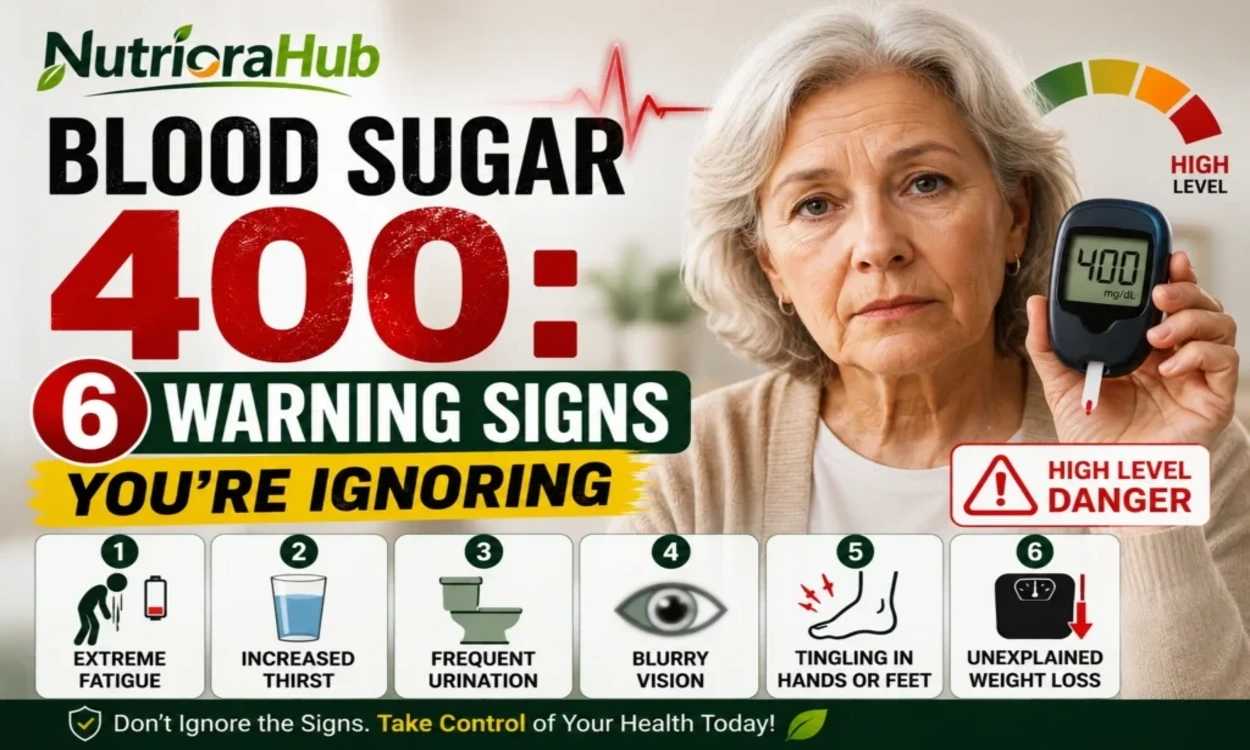
| Blood sugar 400 | 400 mg/dL and above | A medical emergency; requires immediate attention |
This table is a general reference only — your doctor will give you personalized targets based on your health history.
When you’re pregnant with low blood sugar, your baby is affected too, since glucose is their main fuel source in the womb. Frequent or severe drops can potentially affect fetal growth patterns and energy availability. This is also connected to how your baby regulates their own blood sugar right after birth.
It’s worth understanding newborn blood sugar levels, since babies born to mothers who experienced blood sugar swings during pregnancy are sometimes monitored more closely. Here’s a quick look at typical infant blood sugar levels normal ranges:
If you were pregnant with low blood sugar, mention this to your delivery team so your baby’s glucose can be checked as a precaution.
One of the simplest and most effective tools for managing being pregnant with low blood sugar is a blood sugar log. Writing down your readings, the time of day, what you ate, and how you felt helps you and your doctor spot patterns quickly.
A simple blood sugar log can include:
Keeping this log for even two to three weeks can reveal whether you’re regularly pregnant with low blood sugar in the mornings, after exercise, or between specific meals — information that’s incredibly useful during prenatal visits.
While this article focuses on being pregnant with low blood sugar, it’s important to understand the opposite extreme too. A reading of 400 mg/dL or higher is dangerously high and is considered a medical emergency requiring immediate care, often linked to poorly controlled gestational diabetes. Interestingly, some women swing between both extremes — spiking dangerously high after a meal and then crashing low a few hours later — which is exactly why consistent monitoring matters so much.
Two questions come up often when people research blood sugar swings: how long does blood sugar stay elevated after exercise, and does low blood sugar make alcohol take longer to process?
It’s a fair question — yes, does high blood sugar make you sleepy is something many pregnant women wonder, and the answer is often yes. High blood sugar can cause fatigue because your cells aren’t efficiently absorbing the glucose they need for energy. Interestingly, being pregnant with low blood sugar can cause a very similar kind of tiredness, just through the opposite mechanism — your cells simply don’t have enough fuel available. This is why fatigue alone isn’t always a reliable sign of which direction your blood sugar has shifted; testing is the only way to know for sure.
Good, balanced eating is genuinely one of the most powerful tools for staying stable when you’re pregnant with low blood sugar. A few practical, doctor-friendly habits:

If you’re looking for extra support in maintaining steady glucose levels, many people have started exploring Gluco6, a blood sugar support supplement formulated with natural ingredients aimed at helping the body maintain healthier glucose balance. Gluco6 is designed for general blood sugar wellness support and is popular among people trying to avoid extreme highs and lows in their daily glucose levels.
Important note: If you are pregnant with low blood sugar, please do not start any new supplement, including Gluco6, without first talking to your OB-GYN or healthcare provider. Pregnancy requires very specific, individualized care, and your doctor needs to confirm that any supplement is appropriate for your stage of pregnancy and your medical history.

Yes, this is fairly common, especially during the first trimester or after skipping meals. It’s manageable with the right diet and monitoring.
Reach for a fast-acting carb like juice or fruit, followed by a small snack with protein, such as crackers with cheese or nuts, to stabilize your levels longer.
Symptoms like shakiness, cold sweats, rapid heartbeat, and sudden hunger point more specifically toward low blood sugar than general tiredness. Testing your glucose is the most reliable way to confirm it.
Occasional mild dips are usually not dangerous, but frequent or severe episodes should be discussed with your doctor, since your baby relies on your glucose supply for energy.
Yes, a blood sugar log is one of the easiest ways to track patterns and help your doctor understand whether you’re regularly pregnant with low blood sugar at certain times of day.
No, an extremely high reading is the opposite extreme — dangerously high blood sugar — and needs emergency medical attention, unlike low blood sugar, which needs quick, gentle correction.
Only if your doctor approves it. Being pregnant with low blood sugar requires personalized medical guidance, and no supplement should be started during pregnancy without professional clearance.
Being pregnant with low blood sugar is more common than most people realize, yet it rarely gets the same attention as high blood sugar during pregnancy. The good news is that with small, consistent habits — eating regularly, pairing carbs with protein, keeping a blood sugar log, and staying in close contact with your healthcare provider — you can manage it confidently. If you’ve been feeling shaky, foggy, or unusually tired lately, don’t brush it off. Talk to your doctor, get tested, and take the steps needed to feel steady and strong throughout your pregnancy.
Being pregnant with low blood sugar isn’t something to fear — it’s something to understand, monitor, and manage, one meal and one check at a time.
This article is brought to you by NutrioraHub, a resource dedicated to Good Nutrition and healthy living.
Disclaimer: This article is for informational purposes only and is not a substitute for professional medical advice. Always consult your doctor or healthcare provider regarding any symptoms, blood sugar concerns, or before starting any supplement during pregnancy.