 11
11
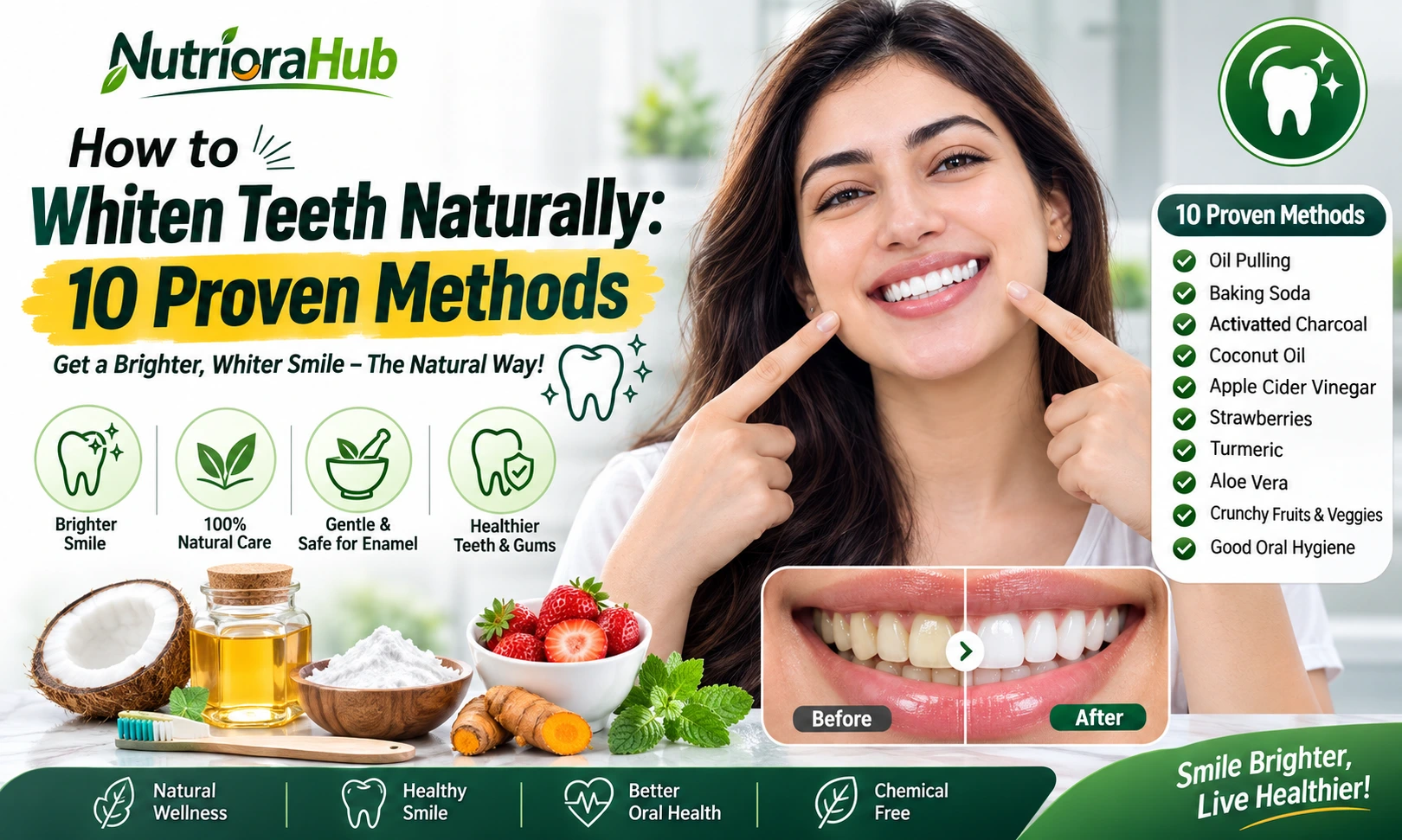
A bright, confident smile is something most of us want, and that’s exactly why so many people search for how to whiten teeth naturally instead of running to the dentist for expensive treatments. If you’ve been Googling how to whiten teeth naturally at 2 a.m. because your coffee habit is finally catching up with you, you’re in good company. This guide walks you through ten realistic, at-home methods for how to whiten teeth naturally, explains why your teeth stain in the first place, and helps you understand the difference between normal discoloration and something that needs a dentist’s attention.
Learning how to whiten teeth naturally isn’t just about vanity — a cleaner, brighter mouth is usually a healthier one too. Before we jump into the methods, let’s quickly look at why teeth lose their brightness in the first place, and why so many people turn to a simple brighten teeth home remedy before booking a dental appointment.
Coffee, tea, red wine, smoking, aging, and even certain medications can all dull your smile over time. Understanding the “why” makes it much easier to understand how to whiten teeth naturally and keep the results lasting longer.
| Cause of Discoloration | How It Affects Your Teeth | Natural Fix |
|---|---|---|
| Coffee & Tea | Tannins stick to enamel, causing surface stains | Rinse mouth with water after drinking |
| Red Wine | Deep pigments (chromogens) bond to enamel | Brush 30 minutes after drinking |
| Smoking/Tobacco | Tar and nicotine cause yellow-brown staining | Quit or reduce frequency |
| Aging | Enamel thins naturally, revealing yellow dentin | Focus on enamel-safe remedies |
| Poor Oral Hygiene | Plaque and tartar build up, dulling shine | Brush and floss consistently |
| Certain Medications | Some antibiotics cause intrinsic staining | Consult your dentist |
As you can see, most staining is surface-level, which is great news, because it means natural ways to whiten teeth can actually make a visible difference without needing harsh chemical bleach. If you’ve ever searched how to remove stains from teeth without spending money on a professional whitening kit, the good news is that most of the answer starts right here at home.
Below are ten dentist-friendly, natural methods that people search for again and again when they want to know how to whiten teeth naturally without spending a fortune at the dental office.
When people first start researching how to whiten teeth naturally, baking soda is usually the first remedy they come across, and for good reason. It’s mildly abrasive, which helps physically lift surface stains. A lot of people ask, “does baking soda bleach teeth?” — the honest answer is no, it doesn’t bleach in the chemical sense, but it does help remove surface discoloration. Is baking soda good for your teeth? In small, occasional amounts mixed with water into a soft paste, yes — it’s one of the simplest ways how to whiten teeth with baking soda without damaging enamel, as long as you don’t scrub too hard or use it daily.
Interestingly, in some regions “bread soda” is just another name for baking soda, and people frequently search “does bread soda whiten teeth” or “bread soda for teeth” — the answer is the same: bread soda for teeth works the same way as baking soda for teeth, gently lifting surface stains when used correctly and sparingly.
Interestingly, in some regions “bread soda” is simply another name for baking soda, which is chemically known as sodium bicarbonate. People frequently search “does bread soda whiten teeth” or “bread soda for teeth,” and the answer is the same either way: bread soda for teeth works just like baking soda for teeth, gently lifting surface stains when used correctly and in moderation.
Oil pulling is an ancient practice that has resurfaced as a trendy answer to how to whiten teeth naturally. Coconut oil for teeth whitening works because it contains lauric acid, which may help reduce plaque-causing bacteria in the mouth. Oil pulling with coconut oil involves swishing a tablespoon of oil in your mouth for 10–15 minutes before spitting it out (never swallow it, since it collects bacteria). So what does oil pulling do exactly? It’s believed to reduce harmful bacteria, freshen breath, and gradually contribute to a slightly brighter smile — though it works best as a supplement to brushing, not a replacement.
A heavily diluted hydrogen peroxide rinse is a classic answer whenever someone asks how to whiten teeth naturally without professional bleaching trays. Mix a small amount of 3% hydrogen peroxide with water and swish for about a minute, then rinse thoroughly with plain water. This mild antiseptic can help lighten surface stains over several weeks of consistent, careful use.
Diluted apple cider vinegar is another natural remedy people try for how to whiten teeth naturally, thanks to its mild acetic acid content that can help break down surface stains. However, it should always be diluted and used sparingly, since undiluted vinegar can wear down enamel over time — moderation really is the key here.
Activated charcoal has become a popular Instagram trend, and many people wonder if it’s a real answer to how to whiten teeth naturally. It works by binding to surface stains and lifting them away. That said, dentists generally recommend using it no more than a couple of times a week, since it can be abrasive with frequent use.
If you’re looking for a gentler entry point into how to whiten teeth naturally, this diluted rinse is a good place to start.
Mashed strawberries mixed with a pinch of baking soda create a fun, natural paste that some people swear by for how to whiten teeth naturally. The malic acid in strawberries may help with surface stains, while the baking soda for teeth adds gentle polishing action. Use this treatment only occasionally, since the natural sugars and acids in strawberries aren’t ideal for daily enamel exposure.
It sounds unusual, but turmeric — despite its bright yellow color — is a favorite among people researching how to whiten teeth naturally through Ayurvedic traditions. A paste of turmeric powder and water, brushed on for a few minutes before rinsing, is said to help reduce surface stains and support gum health.
Apples, celery, and carrots act almost like natural toothbrushes. Chewing on crunchy produce increases saliva production and helps scrub away surface debris, making it a simple, tasty way to support how to whiten teeth naturally as part of your everyday diet.
No natural remedy works well without a solid oral hygiene foundation. Knowing how to dental floss properly — sliding the floss gently between each tooth in a C-shape rather than snapping it against the gums — prevents plaque from hardening into black tartar on teeth. If you’re wondering how to get rid of tartar on teeth once it has formed, the honest answer is that at-home tartar removal has limits; a dental hygienist’s tools are usually needed for stubborn buildup, though consistent brushing and flossing will slow it down significantly.
The final and arguably most important method isn’t a remedy at all — it’s prevention. Reducing coffee, tea, dark sodas, and red wine, or using a straw when you do drink them, protects the results of every other method on this how to whiten teeth naturally list.
Every method above answers the question of how to whiten teeth naturally in a slightly different way, so it’s worth trying a couple of them together to see which combination fits your lifestyle best.
| Method | Typical Time to See Results | Frequency |
|---|---|---|
| Baking Soda Paste | 1–2 weeks | 2–3x per week |
| Oil Pulling | 2–4 weeks | Daily |
| Hydrogen Peroxide Rinse | 2–3 weeks | 3–4x per week |
| Apple Cider Vinegar | 2–3 weeks | 1–2x per week |
| Activated Charcoal | 1–2 weeks | 1–2x per week |
| Strawberry Paste | 3–4 weeks | Occasionally |
| Turmeric Paste | 2–3 weeks | 2–3x per week |
| Crunchy Produce | Ongoing | Daily |
| Better Brushing/Flossing | Ongoing | Daily |
| Avoiding Stains | Ongoing | Daily habit |
This timeline is a useful reference for anyone impatient to see how to whiten teeth naturally actually pay off in the mirror.
Not every dark spot on your teeth is just a stain you can fix by learning how to whiten teeth naturally. It’s important to know the difference between cosmetic discoloration and dental disease.
| What You See | Likely Cause | What To Do |
|---|---|---|
| Yellowish film | Surface staining from food/drink | Natural remedies + brushing |
| Brown spots on teeth | Could be stains, early decay, or fluorosis | Dentist check if it doesn’t brush off |
| Hard spot on teeth brown in color | Often early tooth decay | See a dentist promptly |
| Soft, dark, crumbly area | Likely a bad cavity | Needs professional dental treatment |
| Chalky white patches | Early demineralization | Fluoride toothpaste, dentist visit |
A lot of people search “what does tooth decay look like” or “what does a dental cavity look like” hoping a home remedy will fix it — but it’s worth being honest here: natural whitening methods are cosmetic, and they will not reverse an actual cavity. Brown staining teeth from coffee or tobacco is usually harmless and treatable at home, but a genuinely hard spot on teeth brown in shade, especially if it’s sensitive to touch or temperature, is a sign of decay and needs a dentist, not a baking soda paste.
If you’re trying to figure out how to get rid of a cavity, the only real answer is professional treatment — fillings, and in more advanced cases, root canals — since a true cavity is a structural hole in the tooth that no home remedy can rebuild.
Knowing this difference is a critical part of learning how to whiten teeth naturally responsibly, instead of accidentally masking a bigger dental problem.
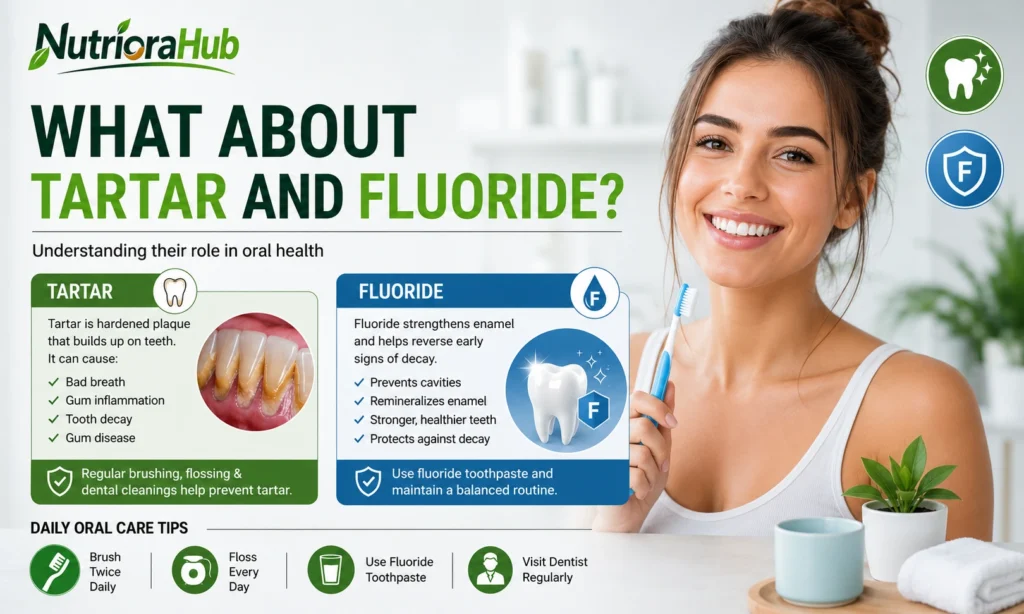
Tartar is hardened plaque, and once it forms, it’s stubborn. Black tartar on teeth sits right along the gumline and can’t be brushed away like a stain — professional tartar removal via scaling is really the only complete solution, though good daily habits prevent it from building up in the first place.
Fluoride is another topic that comes up often alongside natural whitening searches. People frequently ask, “is fluoride bad for your teeth?” The short answer, according to mainstream dental research, is no — in appropriate, regulated amounts, fluoride strengthens enamel and helps prevent decay. Some natural-health circles are cautious about fluoride exposure, so it’s a personal choice worth discussing with your dentist if you have concerns, but there’s no strong evidence that standard fluoride toothpaste “bleaches” or harms healthy teeth.
Understanding tartar and fluoride rounds out the full picture of how to whiten teeth naturally, since a clean, well-mineralized mouth is the real foundation for lasting brightness.
| Pros | Cons |
|---|---|
| Affordable — most ingredients are already in your kitchen | Results are slower than professional bleaching |
| Fewer harsh chemicals than commercial whitening kits | Some methods (charcoal, acidic remedies) can be abrasive if overused |
| Easy to fit into an existing oral hygiene routine | Won’t fix intrinsic stains, cavities, or fluorosis |
| Generally low risk when used in moderation | Not regulated or clinically dosed like dental treatments |
| Supports overall oral hygiene, not just appearance | Requires consistency over several weeks to see change |
Weighing these pros and cons honestly is an important step before committing to any plan for how to whiten teeth naturally, so you know exactly what to expect.
Believe it or not, your overall diet plays a bigger role than most people realize when it comes to how to whiten teeth naturally, and no discussion of how to whiten teeth naturally is complete without talking about what’s actually on your plate. Good Nutrition supports strong enamel and healthy gums, and a diet rich in calcium, vitamin D, and phosphorus gives your teeth the building blocks they need to stay strong and resist staining. If you’re already focused on Nutrition for other reasons, you’ll likely notice your teeth benefit as a side effect.
Interestingly, many High Protein Foods like eggs, dairy, and lean meats are also naturally low in the sugars that feed staining and decay-causing bacteria, making a protein-forward diet a quiet ally in your whitening routine. And if better oral health happens to motivate you toward broader lifestyle changes, a few simple Weight Loss Tips — like swapping soda for water — can double as teeth-whitening tips too.
Your mouth doesn’t exist in isolation from the rest of your body, and if you’re the type of person searching how to whiten teeth naturally, you’re probably also curious about general wellness. Over on NutrioraHub, readers exploring dental health often branch out into other health questions too — everything from whether Can Stress Increase Cholesterol levels, to less commonly discussed topics like Prostate Nodule concerns, Leg Pain at Night, or even more personal questions like Why am I so Horny lately.
None of these are directly related to teeth whitening, but they’re a reminder that a healthy body and a healthy smile tend to go hand in hand, and it’s worth paying attention to your overall health, not just your teeth.
These practical tips will help you get the most out of every method on this how to whiten teeth naturally checklist, while keeping your enamel and gums protected.
Follow these tips consistently and you’ll get far more out of your how to whiten teeth naturally routine than by trying every remedy at once.
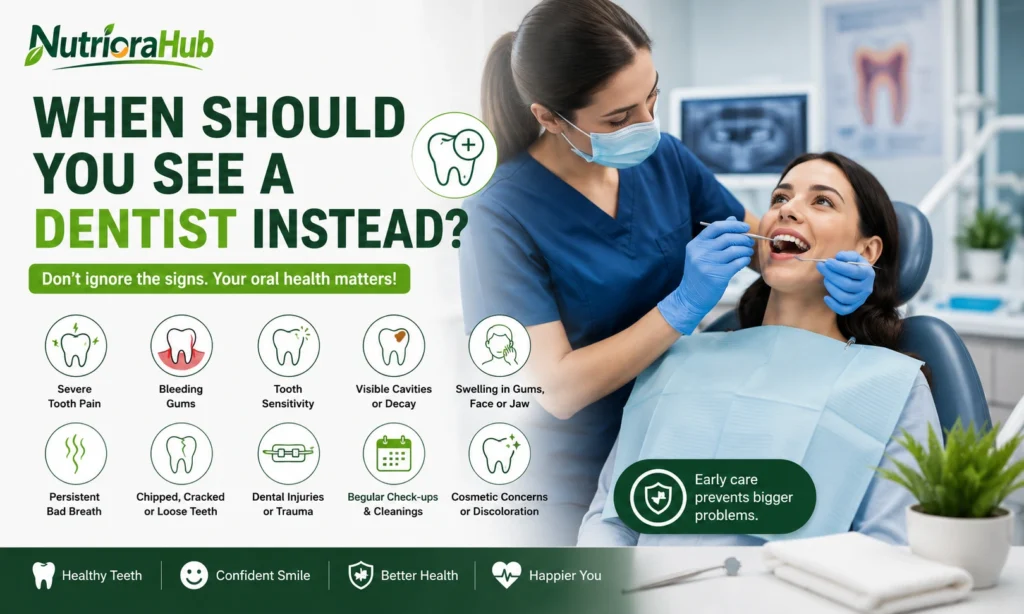
If you notice a hard spot on teeth brown in color that doesn’t change with brushing, persistent tooth pain, bleeding gums, or visible holes, it’s time to stop relying on home remedies. A dentist can tell you definitively whether you’re dealing with simple staining or something like a bad cavity that needs restorative treatment. Natural remedies are wonderful for maintenance and mild discoloration, but they were never designed to replace professional dental care.
Knowing when to stop experimenting with how to whiten teeth naturally and instead pick up the phone to call a dentist can save you a lot of pain and money down the road.
If you want to go deeper into the science behind teeth whitening, decay, and oral hygiene, these five reputable resources are a great place to start:
Baking soda and activated charcoal tend to show the fastest surface-level results, often within one to two weeks of consistent, moderate use.
No. Baking soda doesn’t chemically bleach teeth — it gently removes surface stains through mild abrasion, so results depend on continued, careful use.
Many people report fresher breath and slightly brighter teeth after consistent oil pulling with coconut oil, though scientific evidence is still limited compared to clinical whitening.
It depends on the cause. Surface-level brown staining teeth from coffee or tea can often improve, but brown spots on teeth caused by decay or fluorosis need a dentist’s evaluation.
No, standard fluoride toothpaste is not bad for your teeth and can be used alongside natural whitening methods; it strengthens enamel rather than damaging it.
Once tartar hardens, home remedies can only slow it down, not remove it. Professional tartar removal from a dental hygienist is the most reliable solution.
Stick to gentler methods like oil pulling, crunchy produce, and diluted rinses, and avoid frequent use of acidic or abrasive remedies like vinegar or charcoal.
Not quite. Natural methods can noticeably brighten surface stains, but they generally can’t match the speed or intensity of an in-office professional whitening treatment.
Learning how to whiten teeth naturally is really about consistency, patience, and choosing the right combination of remedies for your specific needs. From baking soda for teeth to oil pulling with coconut oil, each of these ten methods offers a safe, budget-friendly way to brighten your smile without heavy chemicals.
Just remember that natural ways to whiten teeth work best for cosmetic surface stains, not underlying dental problems. If you notice anything that resembles a bad cavity, a hard spot on teeth brown in tone, or black tartar on teeth that simply won’t budge, it’s time to see a dentist rather than reach for another home remedy. Tooth whitening at home is most effective when paired with proper brushing, learning how to dental floss properly, and mindful eating habits — combine these teeth whitening home remedies with those daily habits, and you’ll be well on your way to a naturally brighter, healthier smile.


One thought on “How to Whiten Teeth Naturally: 10 Proven Methods”