 11
11
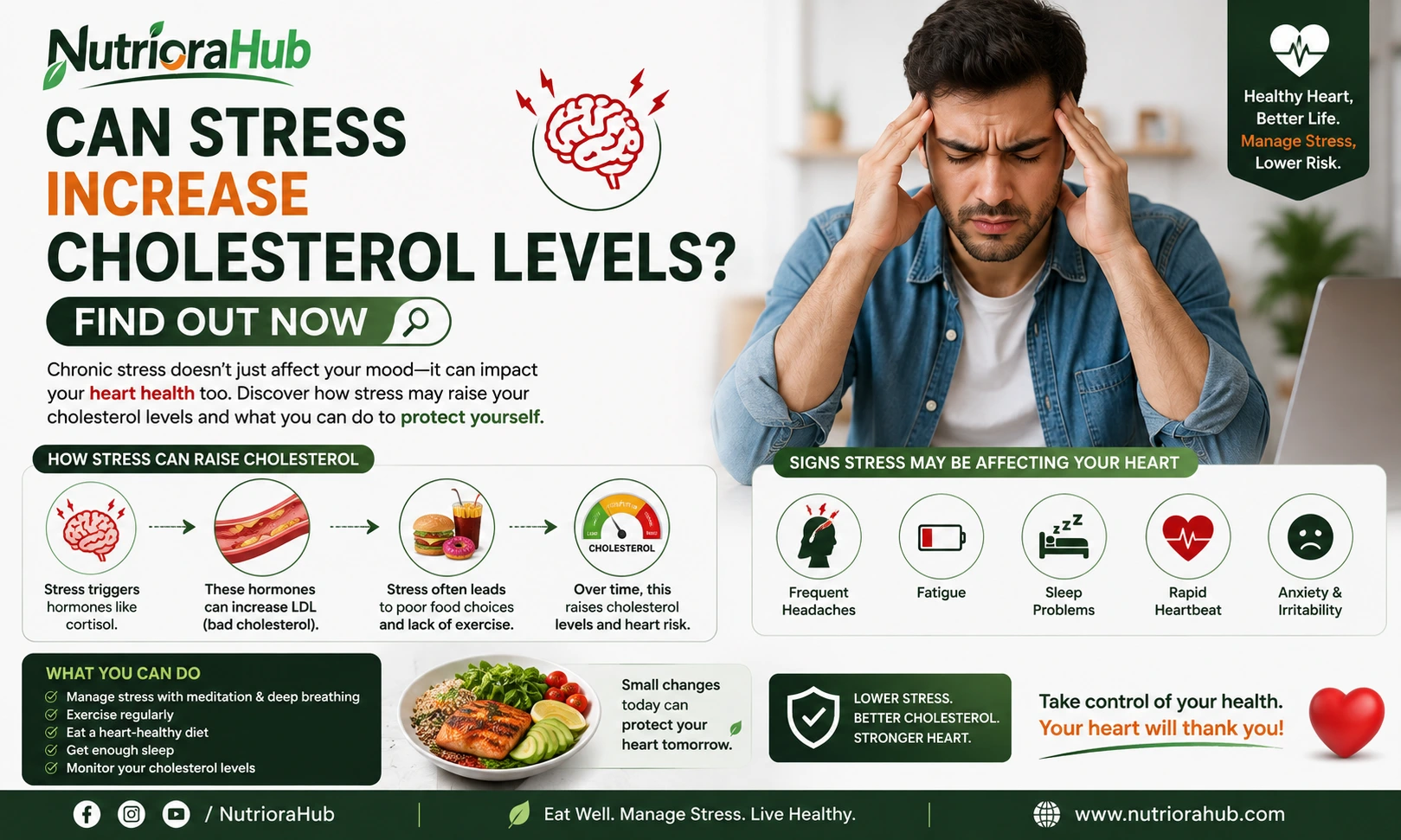
If you have ever sat in a doctor’s office staring at a lipid panel that looks worse than last year’s, you have probably wondered about the connection between your daily tension and those numbers. Can stress increase cholesterol levels, or is it just bad luck and genetics? It is one of the most searched health questions of the year, and for good reason. The truth is more layered than a simple yes or no. Chronic pressure at work, sleepless nights, and constant worry do not just wear down your mood — they can quietly reshape your blood chemistry too.
In this article, we will walk through the science, the symptoms, and the practical steps you can take if you suspect that your stress levels and your cholesterol numbers are more connected than you realized. Understanding whether can stress increase cholesterol is more than an internet myth can help you take control of your health before a routine checkup turns into an uncomfortable surprise.
Yes — can stress increase cholesterol is a question backed by real physiological evidence. When you are stressed, your body releases hormones like cortisol and adrenaline. These hormones are designed to help you react to danger, but in the modern world, “danger” often means a stressful email or a traffic jam rather than a genuine emergency. Over time, repeated hormonal surges can push your liver to produce more LDL (the so-called “bad” cholesterol) while also making it harder for your body to clear it efficiently.
So while stress alone will not cause high cholesterol overnight, chronic stress absolutely plays a supporting role. Doctors increasingly ask patients about their emotional wellbeing during routine visits precisely because the link between can stress increase cholesterol and long-term heart disease risk has become too consistent to ignore.
To understand can stress increase cholesterol, you need to understand cortisol. This hormone sits at the center of nearly every explanation you will find for how emotional pressure translates into physical, measurable change. Cortisol is often called the “stress hormone” because it spikes whenever your body perceives a threat. Elevated cortisol tells your liver to release more glucose and fatty acids into your bloodstream for quick energy.
The problem is, if that energy is not used — because you are sitting at a desk instead of running from danger — those fats can circulate and eventually get converted into cholesterol. This is one of the clearest biological pathways answering the question of can stress increase cholesterol in everyday life. It also explains why two people with identical diets can end up with very different lipid panels depending on how much daily pressure each one carries.
Here is where things get nuanced. Researchers are still debating whether can stress cause high cholesterol on its own, or whether it works mainly through indirect behaviors — a distinction that also shapes how experts answer can stress increase cholesterol in clinical guidelines. When people are anxious or overwhelmed, they tend to sleep less, eat more comfort food, exercise less, and sometimes drink more alcohol. Each of those habits independently raises cholesterol.
So stress may not be pulling the trigger by itself, but it is definitely loading the gun. Most cardiologists agree that stress management deserves a place right alongside diet and exercise in any conversation about heart health. This is why the question can stress increase cholesterol keeps coming up in patient consultations, even when bloodwork alone cannot fully explain a sudden jump in LDL.
The table below breaks down how different types of stress responses interact with your cardiovascular system, since can stress increase cholesterol questions usually involve more than one bodily system at once.
| Stress Response | What Happens in the Body | Effect on Cholesterol |
|---|---|---|
| Acute stress (short-term) | Adrenaline spikes, heart rate rises | Minimal long-term effect on cholesterol |
| Chronic stress (long-term) | Cortisol stays elevated for weeks or months | LDL and triglycerides tend to climb |
| Emotional eating under stress | Increased intake of sugar and saturated fat | Directly raises LDL cholesterol |
| Poor sleep from stress | Disrupted metabolism and hormone regulation | Associated with higher total cholesterol |
| Sedentary coping (less movement) | Reduced calorie burn, slower fat clearance | HDL (“good” cholesterol) may drop |
As you can see, the answer to can stress increase cholesterol depends heavily on how long the stress lasts and how a person copes with it. A single stressful afternoon is unlikely to move the needle, but months of unresolved pressure can absolutely show up on a lab report — further proof that can stress increase cholesterol is a question of duration as much as intensity.
Many people who ask can stress increase cholesterol are also trying to figure out whether their fatigue or other symptoms are related. Recognizing these overlapping symptoms early is one of the simplest ways to catch a problem before it becomes serious, and it keeps the underlying question of can stress increase cholesterol grounded in something practical rather than abstract. It is a fair question, because both stress and high cholesterol can make you feel run-down in similar ways, which is exactly why the overlap keeps fueling searches for can stress increase cholesterol.
One of the most common questions is does high cholesterol make you tired. On its own, cholesterol does not usually cause fatigue directly, but the downstream effects — such as reduced blood flow from narrowed arteries — absolutely can. Similarly, people frequently ask can high cholesterol make you tired enough to affect daily productivity, and the honest answer is that it can, especially once plaque buildup starts limiting circulation to the heart and brain.
There is also a lesser-known symptom worth mentioning: signs of high cholesterol on face can include small yellowish bumps near the eyelids, known medically as xanthelasma, along with a grayish ring around the cornea called arcus senilis. These are not universal signs, and plenty of people with high cholesterol show no visible symptoms at all, but if you notice them, it is worth mentioning to your doctor alongside any concerns about can stress increase cholesterol in your specific case. Visible signs like these are relatively rare, so their absence should never be treated as proof that everything is fine internally.
Diet is impossible to separate from any honest conversation about can stress increase cholesterol. People often ask does sugar raise cholesterol, and the answer is yes, particularly refined sugar and high-fructose corn syrup. Excess sugar gets converted into triglycerides in the liver, and over time this can also nudge LDL cholesterol upward while lowering HDL. This matters for our topic because stressed individuals often reach for sugary comfort foods, creating a feedback loop where can stress increase cholesterol becomes even more likely simply because of what ends up on the plate during stressful weeks. Breaking that cycle often starts with small, sustainable swaps rather than an all-or-nothing diet overhaul.
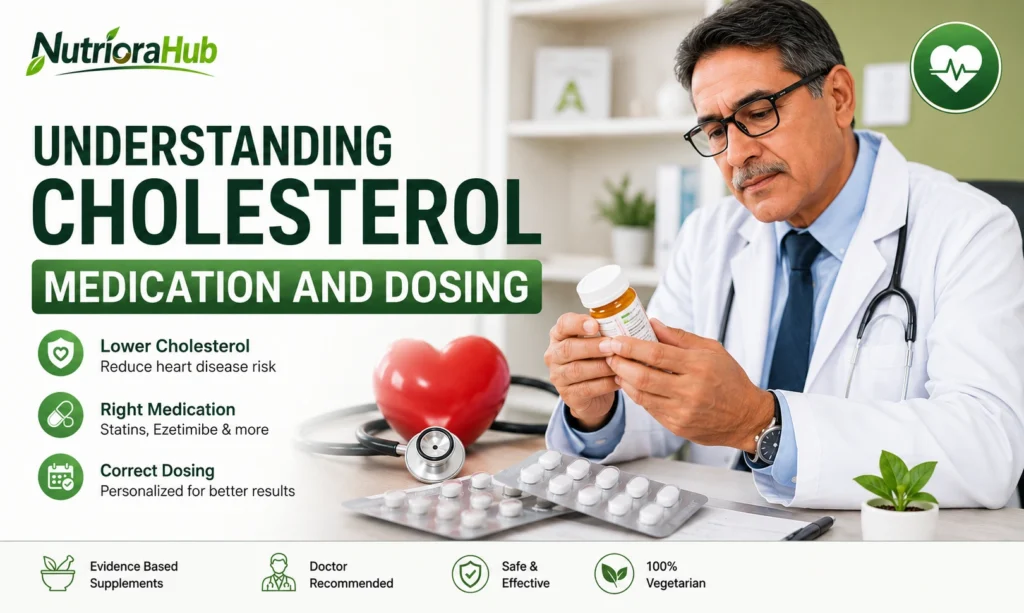
If your doctor prescribes a statin or another lipid-lowering medication, you may hear questions about dose cholesterol management come up during your appointment. Getting the right dosage is not a one-size-fits-all process; it depends on your baseline LDL, your cardiovascular risk factors, your stress levels, and how your body responds to the first few weeks of treatment — all part of the bigger picture behind can stress increase cholesterol. Never adjust your own dose without medical guidance, and always mention if you are under significant stress, since stress hormones can sometimes interact with how effectively medication controls your lipid levels. This is another reason the question can stress increase cholesterol matters even for people already on treatment.
Patience matters here, and it is closely tied to the broader question of can stress increase cholesterol in the first place. A common follow-up question is how long does it take to reduce cholesterol once you start making changes. Generally, lifestyle changes such as diet and exercise can show measurable improvement in as little as four to six weeks, while full results often take three to six months. Medication can work faster, sometimes lowering LDL within a few weeks, but it works best when paired with stress reduction and healthier habits rather than as a stand-alone fix. Anyone genuinely asking can stress increase cholesterol should treat the timeline for improvement as encouragement rather than a reason for impatience.
Cholesterol rarely travels alone — blood pressure is often part of the same conversation whenever people ask can stress increase cholesterol during a checkup. People frequently want to know what can cause blood pressure to spike suddenly, and stress is one of the top answers, alongside caffeine, dehydration, certain medications, and underlying kidney issues. A sudden stressful event can cause a temporary spike, while chronic stress contributes to sustained high blood pressure over time, which compounds cardiovascular risk right alongside elevated cholesterol.
Timing matters too. Many people notice that is blood pressure higher in the morning, and this is a well-documented phenomenon called the “morning surge,” caused by natural cortisol rhythms that peak shortly after waking. This is yet another example of how the hormonal patterns behind can stress increase cholesterol overlap with broader cardiovascular health, since both blood pressure and lipid levels tend to rise and fall together under sustained pressure.
One surprising detail patients often overlook involves medication. If you deal with seasonal allergies, you might wonder about safe options for allergy medicine for high blood pressure, since some decongestants (like pseudoephedrine) can raise blood pressure and interact poorly with heart medications. Antihistamines such as loratadine or cetirizine are generally considered safer choices, but it is always worth checking with a pharmacist or doctor first.
| Pros of Managing Stress | Cons of Ignoring Stress |
|---|---|
| Lower cortisol levels over time | Sustained high cortisol can raise LDL |
| Better sleep quality | Poor sleep worsens metabolic health |
| Improved eating habits | Stress eating raises triglycerides |
| More consistent exercise routine | Sedentary stress coping lowers HDL |
| Reduced blood pressure spikes | Chronic stress contributes to hypertension |
| Better long-term heart health outcomes | Higher risk of cardiovascular events |
Once you accept that can stress increase cholesterol is a legitimate concern rather than a myth, the next step is action. Small, consistent changes tend to outperform dramatic short-lived efforts when it comes to long-term heart health. Regular movement, even a brisk twenty-minute walk, helps your body process excess fats more efficiently. Prioritizing sleep is equally important, since poor rest amplifies cortisol production the following day. Nutrition also plays a starring role — swapping processed snacks for High Protein Foods can help stabilize blood sugar and reduce the urge to stress-eat, which indirectly supports healthier cholesterol numbers.
If you are also managing a condition like diabetes, the stakes are even higher, since understanding What Is Diabetes and how it interacts with cholesterol and stress hormones can help you build a more complete health plan. Left unmanaged, extreme blood sugar swings — such as a reading near Blood Sugar 400 — represent a medical emergency and are frequently linked to both chronic stress and poor cardiovascular markers, underscoring how interconnected these systems really are. For more structured guidance on nutrition and metabolic health, resources like NutrioraHub offer practical, easy-to-follow content for readers trying to manage stress, cholesterol, and overall wellness together.
So, can stress increase cholesterol? The evidence says yes, though usually through a combination of direct hormonal pathways and indirect lifestyle effects. Anyone who has spent months under heavy pressure and then seen their lab numbers shift knows this connection is not just theoretical. Cortisol and adrenaline can push your liver to produce more LDL, while stress-driven habits like poor sleep, emotional eating, and inactivity make the problem worse.
The good news is that the same lifestyle changes that lower stress — movement, better sleep, mindful eating, and social connection — also tend to lower cholesterol. Rather than treating these as two separate health issues, it makes sense to treat stress management as a core part of any cholesterol-lowering plan. The next time someone asks you can stress increase cholesterol, you will have a full picture instead of a half-remembered headline.
Here are the 5 resource sites formatted with a short description followed by the site name as anchor text:
In most cases, the rise is not permanent. Once stress is managed and healthy habits return, cholesterol levels typically improve within a few months.
It is possible, though the effect is usually smaller. A healthy diet blunts much of the impact, but chronic cortisol elevation can still nudge LDL upward somewhat independent of food choices.
Yes, particularly with prolonged, unmanaged stress. Age and prior health status reduce risk but do not eliminate it entirely.
Sometimes, especially once blood flow becomes restricted. However, fatigue alone is not a reliable indicator of high cholesterol and should be evaluated with a proper blood test.
A lipid panel and a conversation with your doctor are the most reliable ways to distinguish between the two, since the symptoms often overlap significantly.
Yes, acute stress right before testing can slightly skew results, which is one reason doctors often recommend fasting and a calm state before bloodwork.
Quite possibly. Ongoing questions about can stress increase cholesterol are especially relevant if you are already managing borderline or high numbers, since added stress can slow your progress.
Understanding whether can stress increase cholesterol applies to your own life starts with honest self-reflection about your habits, your sleep, and your emotional load — followed by a conversation with a healthcare provider who can look at your actual numbers and history. At the end of the day, can stress increase cholesterol is less a trivia question and more a practical checkpoint for anyone serious about long-term heart health

3 thoughts on “Can Stress Increase Cholesterol Levels? Find Out Now”