 11
11
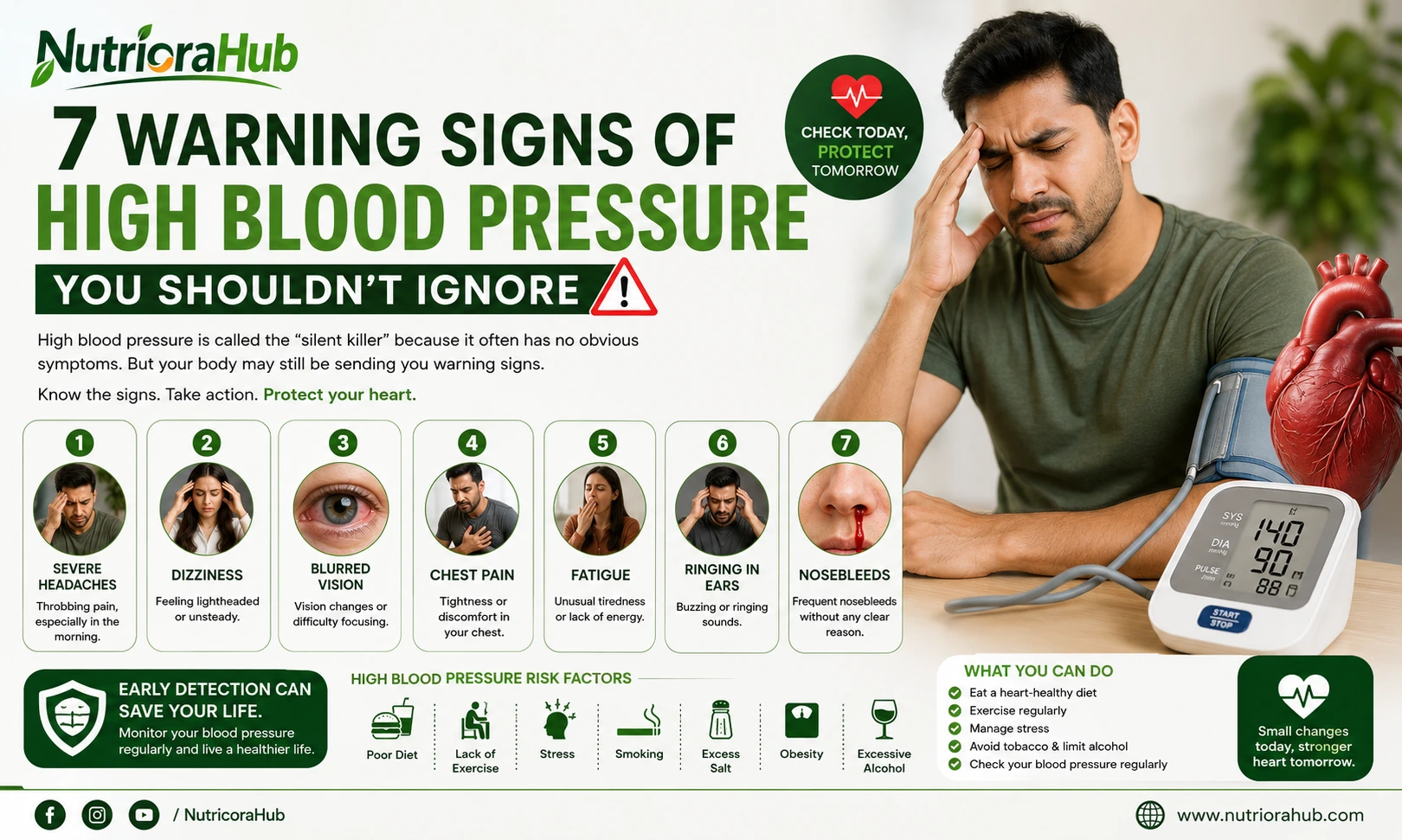
The problem of high blood pressure has earned its name “silent disease,” and there is a good reason for that. Many people suffer from this problem and do not even know about it, as the first signs can be easily ignored. But this condition doesn’t stay quiet forever. Left unmanaged, it slowly damages your heart, brain, kidneys, and eyes — often before you ever feel truly “sick.” That’s why learning to recognize the warning signs of High Blood Pressure early can genuinely change the course of your health.
In this guide from NutrioraHub, we’ll walk through seven warning signs of High Blood Pressure you should never ignore, explain why they happen, and talk about what you can do about it — from small lifestyle shifts to knowing when it’s time to call your doctor. Whether you were just diagnosed, you’re caring for a parent with hypertension, or you’re simply trying to stay ahead of your own health, this article will give you a clear, honest picture of what High Blood Pressure looks like from the inside.
Hypertension, which is commonly referred to as High Blood Pressure, is defined as an increase in blood pressure which continues for a prolonged period of time and which is abnormally high. This causes excessive stress on the heart and, over time, leads to the wear and tear of the arteries all over the body. There are two measurements involved in a blood pressure reading; these are the systolic (pressure exerted by the heart beat) and the diastolic (pressure while the heart is resting).
Here’s a detail that surprises a lot of people: the highest pressure against the blood vessels is the systolic reading — the top number — because it reflects the maximum force your arteries experience each time your heart contracts. That’s why doctors pay close attention to both numbers, but especially watch when the systolic number creeps up over time.
Because High Blood Pressure rarely causes dramatic symptoms in its early stages, many people don’t take it seriously until something more urgent happens — a stroke, a heart attack, or a trip to the emergency room. The truth is, your body often does send signals. They’re just subtle, and it’s easy to explain them away. That’s exactly why we’ve put together this list: so you can catch these signs sooner rather than later, and take it seriously before it takes something from you.
Having a headache once in a while is perfectly fine. However, recurring headaches that are very painful, particularly towards the back of your head and behind the eyes, might be one of the first symptoms of hypertension. This usually occurs during a sharp increase in blood pressure, which is known as a hypertensive episode. In case you begin to experience headaches quite often, without a specific reason such as dehydration or lack of sleep, it might be wise to check your blood pressure levels.
Dizziness or lightheadedness is associated with various causes but often goes hand in hand with high blood pressure, especially in cases where there are sudden fluctuations in your blood pressure levels. The question often asked by many individuals is whether high blood pressure leads to dizziness and, to be honest, yes it does especially when your blood pressure spikes or falls rapidly or while on medicine that is still under adjustment.
Chest pain is one of the serious symptoms of hypertension, which must not be taken lightly, even if it appears to be minor. This is commonly referred to as angina hypertension in which the heart does not receive sufficient oxygenated blood due to the excessive pressure of the arteries. In case of any discomfort in the chest, including pressure or squeezing, visit a doctor immediately.
If the condition of High Blood Pressure is left untreated for an extended period of time, then it will cause an increased workload on the heart and consequently may interfere with the functioning of your lungs. You may find that you get out of breath when going up stairs that previously were easy for you to climb or even when performing minimal exertion.
Nosebleeds are not serious at all and are usually attributed to dry air. However, nosebleeds that occur regularly, and which cannot be explained, may be an indication of extremely high blood pressure levels. Though rare, it is a good enough symptom if it occurs along with headaches and flushing of the face.
Problems like blurring of vision, spots, and difficulty focusing may serve as a warning for damage to small blood vessels in the eyes due to high blood pressure. This condition is known as hypertensive retinopathy. As it progresses very slowly, it is often discovered only during a medical checkup – yet another reason why medical examinations are just as important as symptom observation.
Feeling unusually tired, foggy-headed, or noticing your heart pounding for no clear reason can all point back to hypertension. This combination — dizziness and high heart rate together — is a pattern worth paying attention to, since it often shows up when blood pressure is significantly elevated. Similarly, if you experience dizzy high heart rate episodes more than once, it’s a strong signal to get checked rather than wait it out.
| Warning Sign | What It Feels Like | Why It Happens with High Blood Pressure | When to Act |
|---|---|---|---|
| Persistent Headaches | Throbbing pain, often at the back of the head | Blood vessels under increased pressure | If frequent or unusually intense |
| Dizziness / Lightheadedness | Unsteady, room-spinning sensation | Sudden shifts in blood pressure | If recurring or paired with a fast pulse |
| Chest Pain | Tightness or pressure in the chest | Reduced oxygen flow to the heart | Immediately — treat as an emergency |
| Shortness of Breath | Winded during normal activity | Heart working harder than normal | If it’s new or worsening |
| Vision Changes | Blurriness or spots in your vision | Damage to tiny eye blood vessels | Book an eye exam soon |
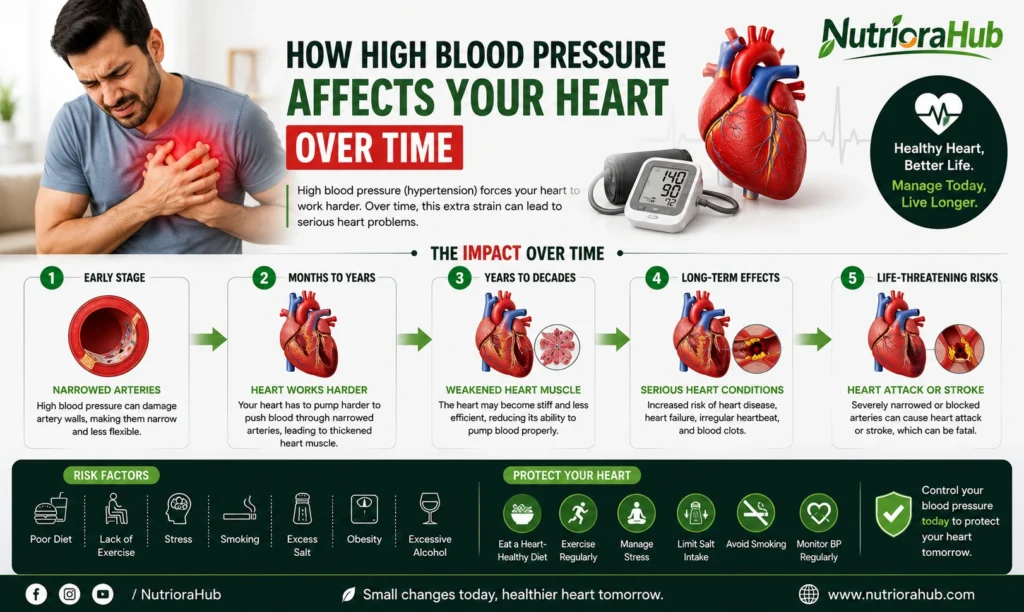
Among the most serious long-term consequences of hypertension is thickening of heart muscle due to high blood pressure. If the heart works continuously against the strain of high blood pressure in your blood vessels, the left ventricle — the primary pumping chamber of the heart — becomes enlarged and stiffened, a phenomenon referred to as left ventricular hypertrophy. Put simply, one of the clearest signs that hypertension is thickening of heart muscle due to high blood pressure is this very process, and it steadily decreases heart performance over time.
One question that often comes up is which of the following is a possible result of hypertension — heart disease, kidney failure, stroke, or vision impairment. To be frank, the honest answer is: all of the above.
| Habit or Factor | Effect on High Blood Pressure | Simple Change to Try |
|---|---|---|
| Sodium intake | High sodium raises blood pressure over time | Cook more meals at home; season with herbs instead of salt |
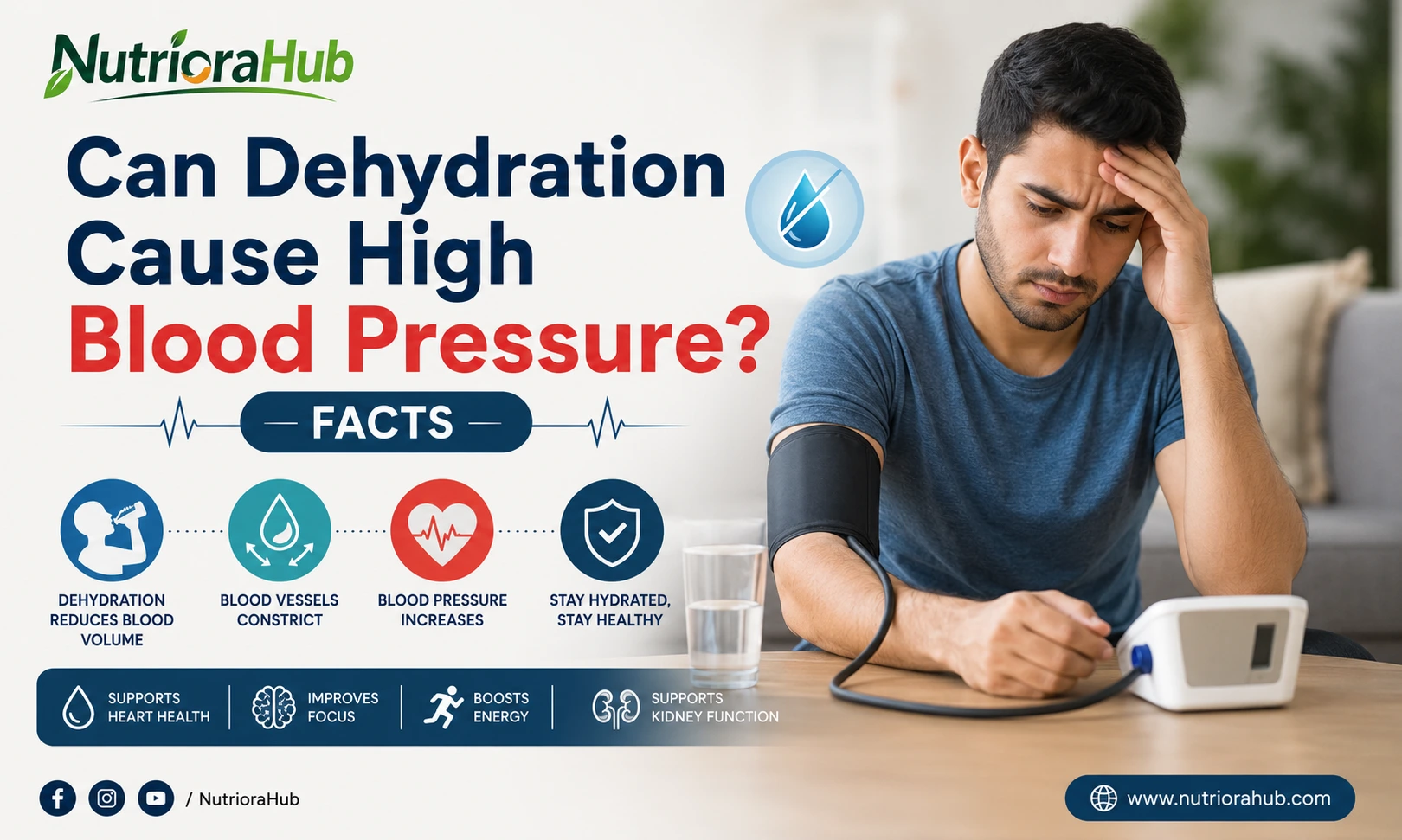
| Hydration | Can Dehydration Cause High Blood Pressure — yes, dehydration can temporarily spike readings | Aim for consistent water intake throughout the day |
| Diet quality | Good Nutrition supports healthier blood vessels | Add more vegetables, fruit, and High Protein Foods to meals |
| Body weight | Extra weight increases strain on the heart | Look into the Best Way to Lose Belly Fat through diet and movement |
| Stress levels | Chronic stress keeps blood pressure elevated | Try Meditation Techniques for Anxiety a few times a week |
| Blood sugar balance | Poorly managed blood sugar overlaps with hypertension risk | Understanding What Is Diabetes helps connect the dots between blood sugar and heart health |
Interestingly, research also points to a high blood pressure time of day pattern — blood pressure is naturally lower during sleep and tends to rise in the early morning hours, which is part of why heart attacks and strokes are statistically more common shortly after waking. This is also why some doctors recommend checking your readings both morning and evening for a more accurate picture.
It’s also worth mentioning that people managing other conditions, like someone who is pregnant with low blood sugar, or someone monitoring a blood sugar 400 reading, should talk to their doctor about how those conditions interact with High Blood Pressure, since the two systems — blood sugar and blood pressure — are closely connected. And while it’s a less discussed topic, some patients ask their doctor about high bp infection concerns, since certain infections and inflammation in the body can temporarily push blood pressure higher while the body fights them off.
| Approach | Pros | Cons |
|---|---|---|
| Lifestyle & Nutrition Changes | No side effects; improves overall Nutrition and energy; supports Weight Loss Tips goals; low cost | Takes longer to see results; requires consistency and discipline |
| Medication | Often works faster; essential for moderate-to-severe High Blood Pressure; closely monitored by a doctor | Possible side effects; usually needs ongoing prescriptions and check-ins |
| Combined Approach | Most effective long-term strategy; addresses root causes and symptoms together | Requires coordination between diet, habits, and medical care |
For most people, doctors recommend a combined approach — using medication when necessary while also building sustainable habits around Good Nutrition, movement, sleep, and stress management. It responds well to consistency, and small daily choices add up more than people expect.
If you want to go deeper into understanding High Blood Pressure, these five organizations are widely regarded as reliable, research-backed sources:
1. What is considered High Blood Pressure?
Generally, a reading of 130/80 mmHg or higher is considered elevated, though your doctor will interpret your numbers based on your personal health history.
2. Can High Blood Pressure be reversed?
In many cases, especially early on, High Blood Pressure can be significantly improved — sometimes brought back to a normal range — through weight management, diet, exercise, and reduced sodium intake.
3. Does high blood pressure make you light headed?
Yes, it can, particularly during sudden spikes or drops in blood pressure, or as a side effect of certain blood pressure medications while your body adjusts.
4. Is dizziness and high heart rate always related to High Blood Pressure?
Not always, but the combination is common enough that it shouldn’t be ignored, especially if it happens repeatedly or comes with chest discomfort.
5. What is the highest pressure against the blood vessels is called?
That refers to systolic pressure — the force exerted on artery walls when the heart beats, which is the top number in a blood pressure reading.
6. Is there a specific high blood pressure time of day that’s riskiest?
Yes, blood pressure tends to rise in the early morning hours after waking, which is part of why cardiovascular events are slightly more common during that window.
7. When should I see a doctor about High Blood Pressure symptoms?
If you experience chest pain, sudden vision changes, severe headaches, or shortness of breath, seek medical attention right away rather than waiting for a routine appointment.
There should be no need to be afraid of High Blood Pressure, but there is a need to be aware of it. These are your body’s signals that tell you there are things that need your attention in order to prevent anything from happening. Notice these, have yourself checked out, and combine your health with advice on Good Nutrition, hydration, exercise, and relaxation techniques. High Blood Pressure can be controlled, and the sooner you do it, the better for your heart in the long run.
This article is for educational purposes and is not a substitute for professional medical advice. If you’re experiencing symptoms of High Blood Pressure, please consult a licensed healthcare provider.


One thought on “7 Warning Signs of High Blood Pressure You Shouldn’t Ignore”