 11
11
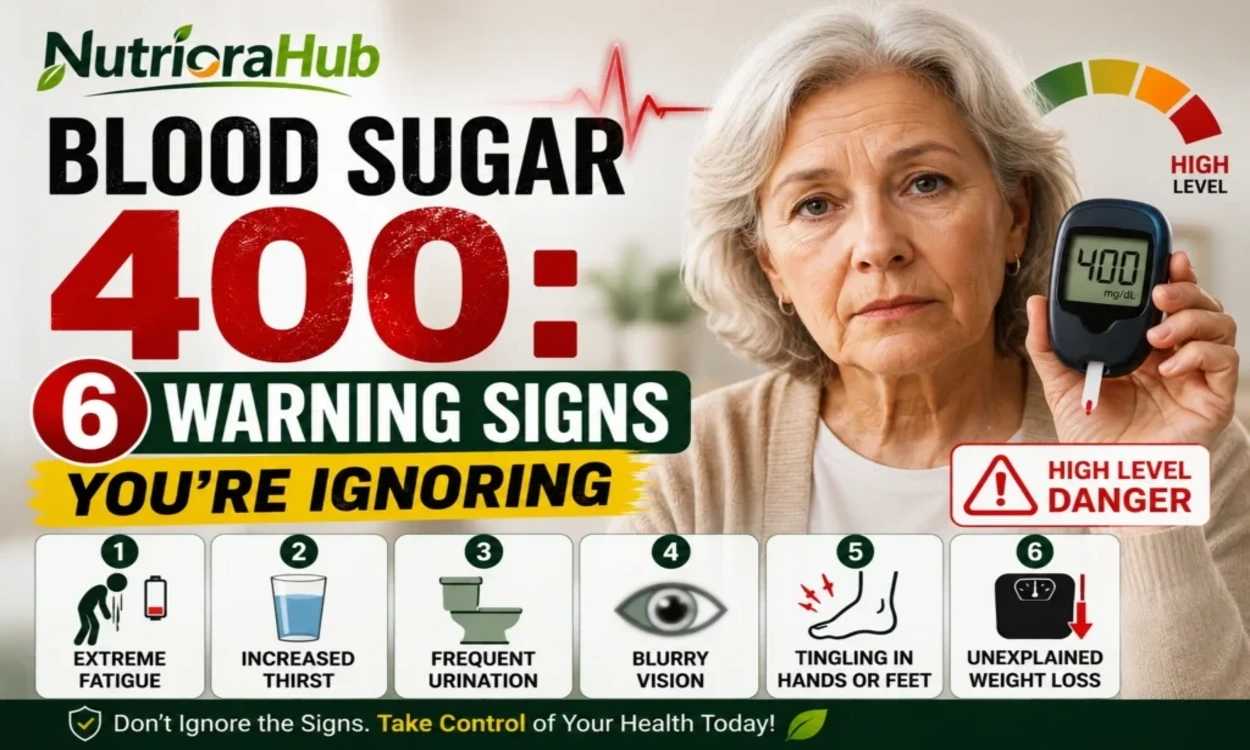
At NutrioraHub, we believe that understanding your body’s numbers can genuinely save your life — and few numbers deserve more respect than Blood Sugar 400. If a glucose meter has ever flashed “400” or higher back at you, you already know the small jolt of panic that comes with it. Is it a mistake? Is it serious? What do you do next? This guide walks you through everything you need to know about Blood Sugar 400 — what it means, why it happens, the six warning signs people brush off far too often, and how to protect yourself or someone you love.
This article is for general education only and is not a substitute for medical advice. If you or someone near you has a Blood Sugar 400 reading along with confusion, vomiting, chest pain, or trouble breathing, call 911 or your local emergency number immediately.
A normal fasting blood sugar sits somewhere between 70 and 100 mg/dL, and even after a big meal, most healthy people stay under 140 mg/dL. So when a reading of Blood Sugar 400 shows up on the screen, it isn’t just “a little high” — it’s roughly three to four times higher than what your body is designed to handle comfortably.
Doctors generally classify anything above 300 mg/dL as severe hyperglycemia, and Blood Sugar 400 sits well inside that danger zone. At this point, your cells are essentially starving for energy even though your bloodstream is flooded with sugar, because without enough insulin, glucose can’t get into the cells where it’s actually needed. That mismatch is what triggers the uncomfortable, and sometimes dangerous, symptoms people experience.
It’s worth repeating: a single Blood Sugar 400 reading should never be ignored, and it should never be assumed to be a faulty meter without a re-check.
There isn’t just one path that leads to Blood Sugar 400. Some of the most common triggers include:
Whatever the trigger, once such a high reading is confirmed on a second test, the priority shifts from “why did this happen” to “what do I do right now.”
Many people live with a reading this high for hours, or even days, without realizing how serious their symptoms are because the signs creep in slowly. Here are the six most commonly overlooked warning signs of Blood Sugar 400.
Your kidneys try to flush out extra glucose through urine, pulling huge amounts of fluid from your body in the process. The result is a thirst that never seems to go away, no matter how much you drink — a classic, early clue of Blood Sugar 400.
Getting up three or four times a night to urinate isn’t just “getting older” — paired with intense thirst, it’s one of the clearest signals your body is trying to flush out dangerously excess sugar.
High glucose pulls fluid from the lens of your eye, temporarily changing its shape. People often blame reading glasses or screen fatigue, when in fact it’s Blood Sugar 400 quietly affecting how their eyes focus.
Because your cells can’t access the glucose circulating in your blood, they’re essentially running on empty. This bone-deep exhaustion is one of the most misunderstood symptoms of severe hyperglycemia, often mistaken for simple tiredness or burnout.
This is a red flag that should never be brushed aside. A sweet, fruity odor on the breath can mean your body has started producing ketones, which raises the risk that Blood Sugar 400 is tipping into diabetic ketoacidosis (DKA), a genuine medical emergency.
As severe hyperglycemia progresses toward DKA, the body becomes more acidic, and people often experience stomach pain, nausea, vomiting, and unusually fast or deep breathing. These symptoms deserve an emergency room visit, not a “wait and see” approach.
Seeing where this number sits alongside other readings can help you understand exactly how urgent the situation is.
| Blood Sugar Level (mg/dL) | Classification | What It Usually Means |
| 70–100 | Normal (fasting) | Healthy baseline range |
| 100–125 | Prediabetes range | Early insulin resistance possible |
| 126–180 | High | Needs attention, rarely an emergency alone |
| 181–299 | Very High | Contact your care team same day |
| 300–399 | Severe Hyperglycemia | Risk of DKA rising; retest and monitor ketones |
| 400+ | Blood Sugar 400 — Medical Emergency | High risk of DKA/HHS; seek medical care promptly |
| 600+ | Critical | Risk of hyperosmolar hyperglycemic state (HHS), coma |
As the table shows, Blood Sugar 400 is the tipping point where “manage it at home” often needs to become “get medical help now,” particularly if ketones are present or symptoms are worsening.
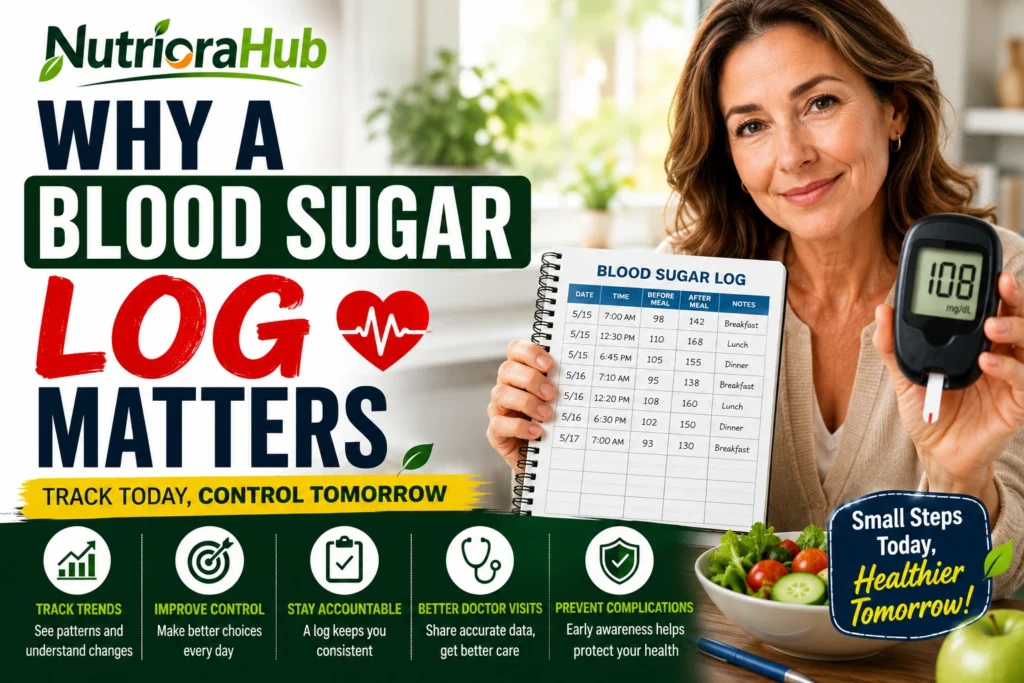
One of the simplest tools for staying ahead of dangerous spikes is a blood sugar log. Writing down your readings, the time of day, what you ate, medication doses, and how you felt creates a pattern your doctor can actually use. A detailed blood sugar log often reveals the exact trigger behind a Blood Sugar 400 episode — whether it was a missed insulin dose, an infection brewing under the surface, or a meal with far more carbohydrates than usual. Many people now keep a digital blood sugar log through an app or continuous glucose monitor, but even a simple notebook works, as long as you’re consistent about writing entries down.
Blood Sugar 400 doesn’t look the same in every person or every stage of life. Here’s how it connects to a few situations people often ask about.
It may sound contradictory, but being pregnant with low blood sugar is actually a distinct concern from Blood Sugar 400. Pregnancy hormones can cause blood sugar to swing in both directions, and a pregnant woman with low blood sugar may feel shaky, dizzy, or unusually hungry between meals. On the other end of the scale, uncontrolled gestational diabetes can push readings toward dangerously high territory, which is why prenatal glucose screening exists — to catch problems on either side before they ever become a risk to mother or baby.
New parents frequently ask about infant blood sugar levels normal ranges, and it’s a completely different scale than the adult ranges discussed above. Right after delivery, a newborn blood sugar normal reading typically falls between about 40 and 60 mg/dL, since babies experience a natural dip as they adjust to life outside the womb. Once regular feeding is established, the normal blood sugar level for a newborn generally rises to somewhere between 50 and 120 mg/dL.
Clinically, neonatal normal blood sugar levels are usually defined as anything above roughly 45–70 mg/dL after the first day of life, while a normal blood sugar level in newborn babies who are a bit older and feeding well can sit closer to 70–150 mg/dL. Doctors watch newborns closely in the first 24–48 hours precisely because both extremes — dangerously low or unusually high — can affect a baby’s developing brain.
Yes — and this is exactly why fatigue is one of the six warning signs listed earlier. When you ask does high blood sugar make you sleepy, the honest answer is that it absolutely can, because your muscles and brain are being starved of usable energy even while your bloodstream is overloaded with glucose. People experiencing Blood Sugar 400 frequently describe an overwhelming urge to nap that simply doesn’t lift, no matter how much rest they get.
This is a question worth taking seriously, especially for anyone managing diabetes. Alcohol blocks the liver’s ability to release stored glucose, so if you ask does low blood sugar make alcohol take longer to affect you, the answer leans toward yes — a low blood sugar state combined with alcohol can intensify and prolong impairment, dizziness, and confusion, because the brain is being deprived of fuel from two directions at once. This is a very different scenario from severe hyperglycemia, but it’s a reminder that glucose extremes, high or low, always deserve caution around alcohol.
It’s a fair question, since exercise is usually recommended for glucose control. Generally, moderate movement lowers blood sugar, but intense or prolonged exercise can temporarily raise it first. So, how long does blood sugar stay elevated after exercise? For most people, levels settle back down within one to two hours, though intense workouts can affect readings for several hours afterward, and insulin sensitivity can stay improved for up to 24 hours. Importantly, if your glucose was already near Blood Sugar 400 before a workout, doctors generally advise against exercising until it comes down, since it can worsen ketone production instead of helping.
While no single meal reverses a Blood Sugar 400 emergency, day-to-day habits play a huge role in preventing it from happening again. Good Nutrition – Nutrition is genuinely the foundation of stable glucose control over the long run, and small, consistent choices add up. A few practical habits worth building:
None of these habits replace medication or medical supervision, but together they lower the odds of ever seeing a reading this severe on your meter again.
| Pros: | Cons: |
|---|---|
| Catches Blood Sugar 400 early, before it progresses to DKA or HHS. | Finger-stick testing can be uncomfortable and easy to skip when you’re busy or tired. |
| Gives you and your doctor real data instead of guesswork. | Meters and test strips carry an ongoing cost that isn’t always covered by insurance. |
| Builds awareness of which foods, stress levels, or missed doses trigger spikes. | A single reading can be affected by dirty hands, expired strips, or dehydration, sometimes leading to false alarms. |
| Continuous glucose monitors can alert you the moment readings approach dangerous territory, sometimes before symptoms even start. | Numbers alone don’t explain the “why,” which means home monitoring works best alongside regular doctor visits, not instead of them. |
| Encourages consistent use of a blood sugar log, which improves long-term treatment decisions. | Anxiety around unusually high numbers can occasionally lead to over-testing or unnecessary stress if not managed with a doctor’s guidance. |
Not automatically every second, but it’s always serious enough to act on. Blood Sugar 400 combined with ketones, confusion, vomiting, or trouble breathing is a medical emergency and needs immediate care. Even without those symptoms, it should be reported to a doctor the same day.
It’s rare, but severe infection, certain medications like steroids, or an undiagnosed case of diabetes can occasionally push a non-diabetic person’s reading this high. Any reading that severe, in anyone, warrants medical evaluation.
This depends entirely on the cause and your treatment plan, but blood sugar generally should not be dropped too fast, since rapid swings can be dangerous too. This is why insulin corrections for a reading this severe should always follow a doctor-approved plan rather than guesswork.
No, but it significantly raises the risk. DKA is confirmed through ketone testing and blood pH, not glucose numbers alone, so checking for ketones whenever you see Blood Sugar 400 is an important extra step.
Yes. A blood sugar log builds a baseline, so if a reading like Blood Sugar 400 ever appears, you and your doctor can compare it against your normal pattern and pinpoint the cause much faster.
For deeper, medically reviewed information beyond this guide, these five resources are excellent places to continue learning:
This article is for informational purposes only and does not replace professional medical advice, diagnosis, or treatment. Always consult a qualified healthcare provider regarding any health condition, especially one involving Blood Sugar 400 or other emergency-range glucose readings.




One thought on “Blood Sugar 400: 6 Red Flags You Should Know”