 11
11
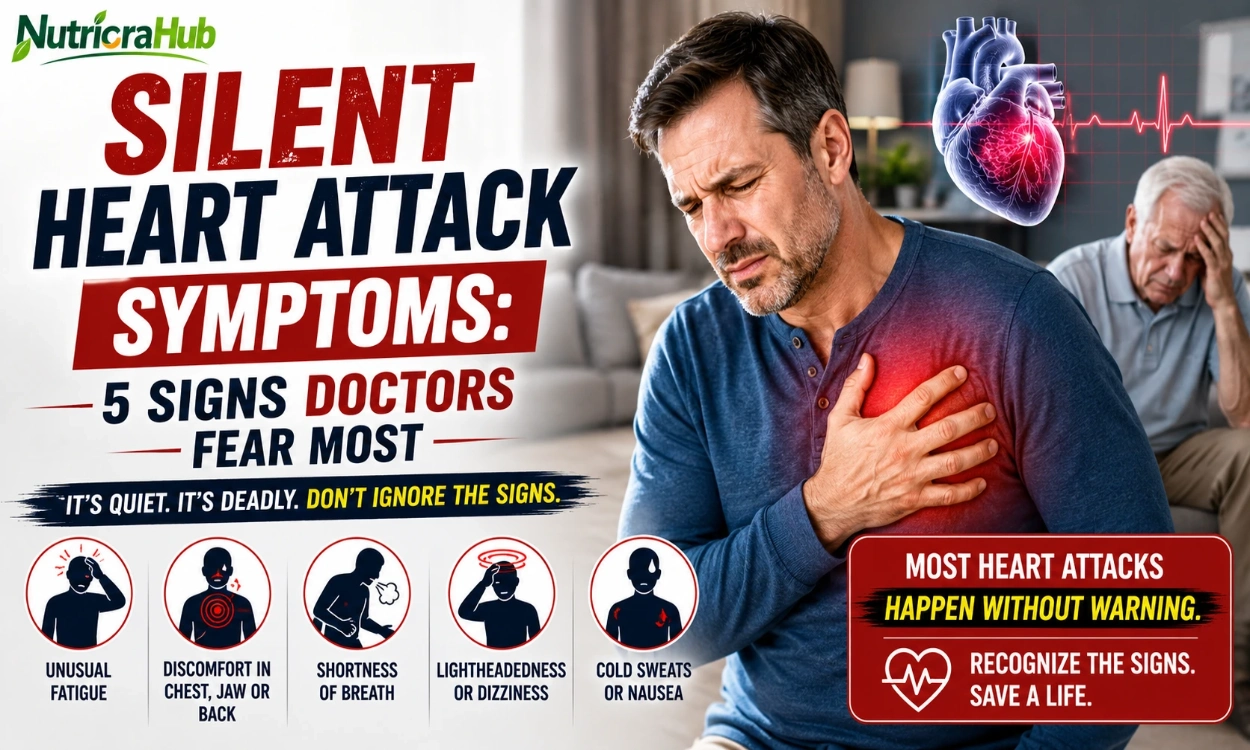
Not every heart attack announces itself with dramatic chest-clutching pain like you see in the movies. In fact, a surprising number of people experience something far more dangerous precisely because it’s so easy to miss — Silent Heart Attack Symptoms. These quiet warning signs can slip right past you, get mistaken for indigestion or fatigue, and leave lasting damage before anyone realizes what actually happened.
This guide walks through everything you need to know about Silent Heart Attack Symptoms — what they look like, how they differ from a “typical” heart attack, which risk factors matter most, and the practical steps you can take to protect your heart starting today. We’ll also cover pros and cons of common treatments, comparison tables, and answers to the questions people search for most.
🛒 Sponsored: Looking to support your heart health proactively? [Check out our recommended heart health product here] —
So what exactly do Silent Heart Attack Symptoms look like? Unlike the sudden, crushing chest pain most people expect, a silent heart attack often presents as mild discomfort that’s easy to brush off. Common Silent Heart Attack Symptoms include:
Because these subtle warning signs are so easy to dismiss, many people don’t realize they’ve had a cardiac event until it’s discovered later on an EKG or other diagnostic test.
One of the most commonly asked questions is which arm hurts in a heart attack, and for good reason — arm pain is one of the more recognizable warning signs, even in silent cases. Left arm discomfort heart attack symptoms happen because the nerves from the heart and the left arm share a common pathway into the spinal cord, so the brain sometimes “confuses” the source of the pain.
That said, pain in which arm during heart attack episodes can vary. While the left arm is more commonly affected, some people experience discomfort in the right arm, both arms, or even the jaw and back instead. This is part of what makes a silent cardiac event so tricky — the pain doesn’t always show up where you’d expect it.
Family history plays a real role in heart health, which brings up another common question: is congestive heart failure hereditary? The answer is nuanced — while congestive heart failure itself isn’t always directly inherited, many of its underlying causes, like coronary artery disease, high blood pressure, and certain cardiomyopathies, do have genetic components. If heart failure runs in your family, it’s worth having an honest conversation with your doctor about your personal risk factors.
A left heart valve leak, medically known as mitral regurgitation, happens when the valve between the heart’s left chambers doesn’t close properly, allowing blood to flow backward. Mild cases often produce no symptoms at all, which means a left heart valve leak can quietly worsen over time without ever triggering the dramatic symptoms people associate with heart problems — much like a silent cardiac event does.
Modern medicine has made it easier than ever to estimate personal heart risk. The prevent ascvd calculator, developed to estimate atherosclerotic cardiovascular disease risk, factors in things like age, cholesterol, blood pressure, and smoking history to give a personalized risk percentage. Similarly, an acs risk calculator helps estimate the likelihood of an acute coronary syndrome event based on current symptoms and risk factors, which can be a valuable tool when Silent Heart Attack Symptoms are suspected but not yet confirmed.
These tools aren’t a replacement for a doctor’s evaluation, but they can be a helpful starting point for understanding where you stand.
One of the more emotionally loaded questions people search for is life expectancy after silent heart attack. The honest answer depends heavily on how much heart muscle damage occurred, how quickly it was diagnosed, and how well any underlying risk factors are managed afterward. Many people who catch and treat the aftermath of Silent Heart Attack Symptoms early on go on to live long, full lives with proper medication, lifestyle changes, and regular cardiology follow-ups.
| Medication Type | Purpose |
|---|---|
| Statins | Lower cholesterol and reduce plaque buildup |
| Beta-blockers | Reduce heart rate and blood pressure |
| ACE inhibitors | Relax blood vessels, lower blood pressure |
| Antiplatelets (like aspirin) | Prevent blood clots |
| Diuretics | Reduce fluid buildup in heart failure cases |
Understanding heart medicine options can feel overwhelming at first, but your cardiologist will typically start with the basics and adjust as needed. Some of the most common heart medication names include atorvastatin, metoprolol, lisinopril, and clopidogrel — though heart drugs are always prescribed based on individual risk factors and test results, not a one-size-fits-all approach. Whether referred to as heart meds or heart medications, the goal is always the same: reducing strain on the heart and preventing future events.
| Pros | Cons |
|---|---|
| Medications can significantly reduce future risk | Some heart medications carry side effects |
| Lifestyle changes are free and highly effective | Requires long-term consistency and discipline |
| Early detection tools like risk calculators are accessible | Calculators provide estimates, not certainties |
| Regular cardiology checkups catch issues early | Frequent appointments can feel time-consuming |
| Heart health supplements can support overall wellness | Supplements aren’t a substitute for prescribed treatment |
| Dietary changes improve cholesterol and blood pressure | Results take time and require sustained effort |
If you’re newly navigating heart health concerns, you might wonder what cardiologist do exactly, beyond just “treating heart problems.” Cardiologists diagnose and manage conditions ranging from Silent Heart Attack Symptoms and arrhythmias to heart failure and valve issues. They order tests like EKGs, echocardiograms, and stress tests, prescribe heart medications, and help patients build long-term prevention plans tailored to their specific risk factors.

A common, very relatable question: is pizza unhealthy when it comes to heart health? Occasional pizza isn’t going to cause lasting harm, but regularly eating high-sodium, high-saturated-fat versions can contribute to elevated blood pressure and cholesterol over time — both major risk factors tied to Silent Heart Attack Symptoms later in life. Moderation and smarter toppings (think vegetables over extra cheese and processed meats) make a real difference.
Yes — oatmeal lower cholesterol claims are actually well-supported by research. Oats contain soluble fiber called beta-glucan, which binds to cholesterol in the digestive system and helps remove it from the body, making oatmeal one of the simplest, most affordable heart-healthy breakfast choices available.
On the flip side, some people ask how do you increase low sodium levels, especially if they’re on diuretics or have been told their sodium is too low. This should always be guided by a doctor, but general approaches include adjusting medication dosages, increasing fluid intake carefully, and sometimes modest dietary sodium increases — never done without medical guidance, since both too much and too little sodium can strain the heart.
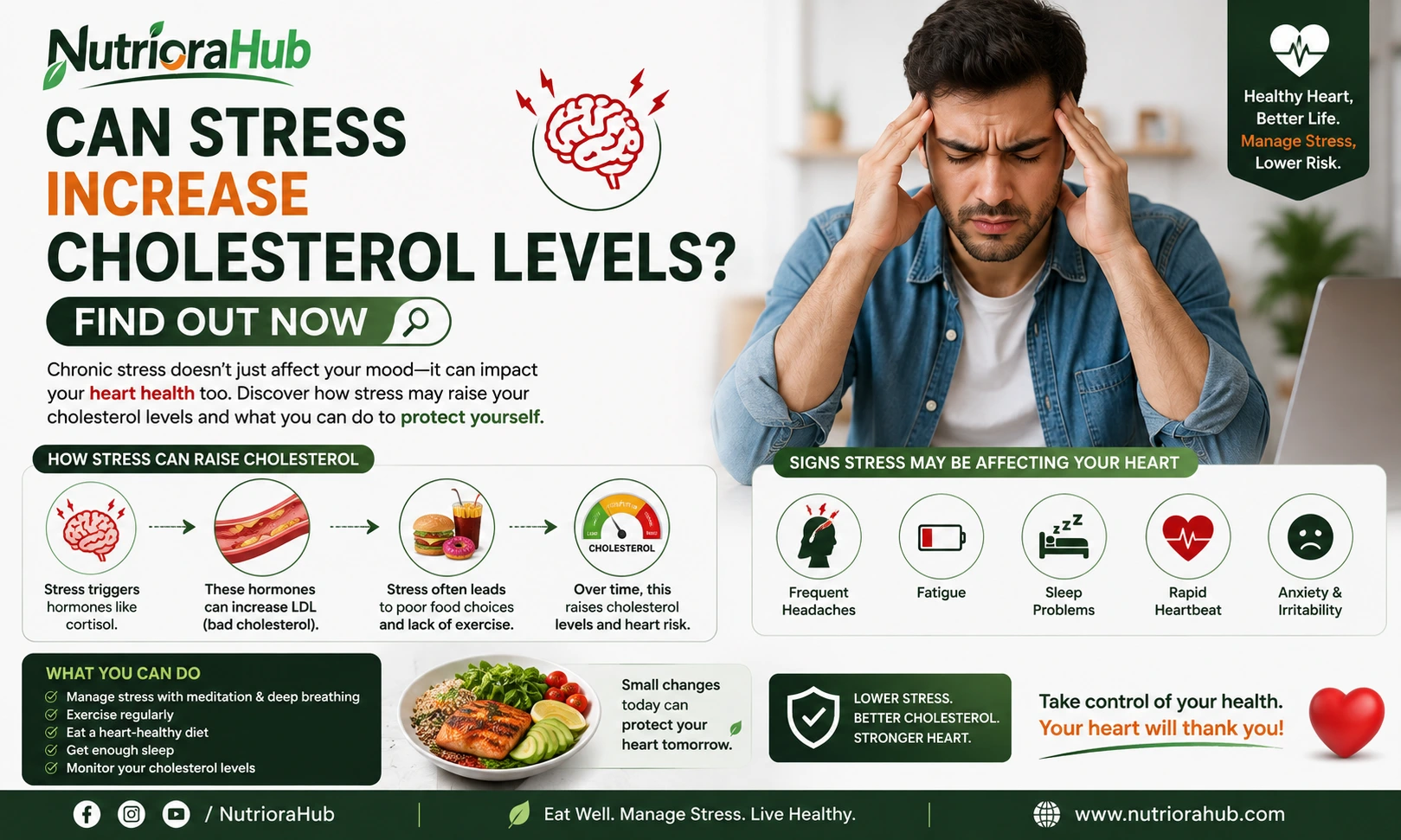
It’s worth addressing directly: Can Stress Increase Cholesterol? Yes, indirectly. Chronic stress triggers hormonal changes that can raise LDL cholesterol and blood pressure over time, while also encouraging stress-related habits like poor eating, smoking, or inactivity — all of which compound heart risk and, in some cases, contribute to Silent Heart Attack Symptoms going unnoticed until it’s too late.
Good Nutrition is one of the most powerful, accessible tools for protecting your heart long-term. A diet built around whole grains, lean protein, healthy fats, and plenty of vegetables directly supports lower cholesterol, healthier blood pressure, and reduced inflammation — all of which lower the risk of both obvious and Silent Heart Attack Symptoms.
Platforms like NutrioraHub have made it easier for everyday people to connect their food choices with real heart health outcomes, turning complicated dietary science into practical, doable habits. Alongside heart health supplements recommended by your doctor, thoughtful eating choices can make a measurable difference over time.
While Silent Heart Attack Symptoms are subtle, certain signs should never be ignored:
If any of these occur, call emergency services immediately rather than waiting to see if symptoms pass.
If you want to explore Silent Heart Attack Symptoms and heart health further, these five well-established resources are excellent, reliable places to start:
| Resource | Focus Area |
|---|---|
| American Heart Association | Heart disease prevention and symptom guidance |
| Mayo Clinic | Symptoms, causes, and treatment guidance |
| Cleveland Clinic | Detailed condition explanations and prevention tips |
| National Heart, Lung, and Blood Institute (NHLBI) | Research-based cardiovascular health information |
| World Health Organization (WHO) | Global cardiovascular disease guidelines |
1. What are the most common Silent Heart Attack Symptoms?
Mild chest pressure, unusual fatigue, shortness of breath, and discomfort often mistaken for indigestion are among the most common and most overlooked signs.
2. Which arm hurts in a heart attack most often?
The left arm is more commonly affected due to shared nerve pathways with the heart, though right arm or bilateral discomfort can also occur.
3. Is congestive heart failure hereditary?
Not always directly, but many of its underlying causes, such as coronary artery disease and high blood pressure, do carry genetic risk factors.
4. What is the life expectancy after silent heart attack?
It varies widely based on the extent of heart damage and how well risk factors are managed afterward, but many people go on to live long, healthy lives with proper care.
5. Does chronic stress really raise cholesterol and contribute to silent heart attacks?
Yes, chronic stress can raise cholesterol and blood pressure indirectly, increasing overall cardiovascular risk over time.
6. Does oatmeal really help lower cholesterol?
Yes, the soluble fiber in oats has been shown in research to help reduce LDL cholesterol when eaten regularly as part of a balanced diet.
7. Should I use a prevent ascvd calculator if I have no symptoms?
Yes, risk calculators are useful even for people without symptoms, since they help identify hidden risk factors before Silent Heart Attack Symptoms ever have a chance to develop.
Silent Heart Attack Symptoms are exactly as dangerous as they sound — quiet, easy to dismiss, and capable of causing real damage before anyone notices something is wrong. The best defense isn’t panic; it’s awareness. Knowing the subtle signs, understanding your personal risk factors, and staying consistent with checkups and heart-healthy habits can make all the difference.
Your heart works nonstop, every single day, without ever asking for a break. Give it the attention it deserves — through better eating habits, regular movement, stress management, and prompt medical care when something feels off. Recognizing Silent Heart Attack Symptoms early isn’t about living in fear; it’s about giving yourself the best possible chance at a longer, healthier life.