 11
11
Ever been woken up by your partner mumbling a full sentence, or worse, been told by a roommate that you had a whole conversation with the ceiling at 3 AM and don’t remember a thing? It’s unsettling, a little funny, and genuinely fascinating all at once. Why Do People Talk in Their Sleep is one of those questions that sounds simple but actually opens the door into a much bigger conversation about how our brains behave overnight.
This article dives into the science, the myths, and the practical side of sleep talking — plus a lot more about sleep health in general, from fragmented sleep to whether four hours is ever really enough. We’ll cover pros and cons, comparison tables, daily habits, and answer the most common questions people search for.
🛒 Sponsored: Struggling with restless nights or sleep talking? [Check out our recommended sleep support product here] —
Let’s get straight to it. Why Do People Talk in Their Sleep in the first place? The medical term for this is somniloquy, and it happens when the brain’s speech centers become partially active during certain sleep stages, even though the rest of the body remains mostly at rest. It’s considered a parasomnia — a category of sleep behaviors that also includes sleepwalking and night terrors.
Interestingly, Why Do People Talk in Their Sleep isn’t fully understood even by sleep researchers. It can happen during both REM and non-REM sleep, and the content of what’s said ranges from complete gibberish to surprisingly coherent full sentences. Some people do it occasionally during stress or illness, while others talk in their sleep almost every night without ever remembering it.
If you’ve ever asked yourself, “why do I talk in my sleep,” you’re definitely not alone — it’s one of the most searched sleep-related questions out there. Several factors tend to increase why people talk in their sleep on any given night:
Understanding your own triggers is often the first step toward figuring out Why Do People Talk in Their Sleep more on some nights than others.
To really understand Why Do People Talk in Their Sleep, it helps to know a bit about sleep stages. One stage in particular, called paradoxical sleep (better known as REM sleep), is where the brain is highly active — almost as active as when you’re awake — while the body remains essentially paralyzed to prevent you from acting out your dreams.
Sleep talking during paradoxical sleep tends to be more emotional or dream-related, sometimes even matching the content of what the person is dreaming about. Sleep talking during deeper, non-REM stages tends to be shorter, mumbled, and less coherent, since the brain isn’t as active during those phases.
It’s worth addressing this because the two are so closely connected: can lack of sleep cause anxiety, and can that anxiety, in turn, make sleep talking worse? The answer to both is yes. Poor sleep disrupts the brain’s ability to regulate emotions, and studies consistently show that people with fragmented sleep or chronic sleep deprivation report higher anxiety levels the following day.
This creates a frustrating cycle: anxiety disrupts sleep, disrupted sleep worsens anxiety, and both together can increase parasomnia behaviors like sleep talking. Breaking this cycle often requires addressing both the sleep quality and the underlying stress at the same time. Learning a few simple Meditation Techniques for Anxiety before bed can genuinely help calm a racing mind enough to fall into deeper, more restful sleep.
A lot of people ask, is 4 hours enough sleep to function properly, especially during busy weeks. The short answer: no, not for most adults. While 4 hours of sleep might feel manageable in the short term thanks to adrenaline and caffeine, it doesn’t allow the brain to complete full sleep cycles, which include the deep, restorative stages your body actually needs.
Running on 4 hours of sleep repeatedly is linked to impaired memory, weakened immune function, mood swings, and yes, an increased chance of parasomnias including sleep talking. Even taken a nap during the day won’t fully make up for consistently short nighttime sleep, though it can help take the edge off temporarily.
Fragmented sleep — waking up repeatedly throughout the night, even briefly — is one of the most underrated sleep problems out there. Many people assume they’re getting a full night’s rest simply because they’re in bed for eight hours, without realizing how many times their sleep cycle was interrupted.
Common causes of fragmented sleep include:
| Cause | Description |
|---|---|
| Sleep apnea | Breathing interruptions repeatedly wake the body |
| Noise or light disturbances | Environmental factors disrupt deep sleep stages |
| Uncomfortable mattress | Poor support leads to frequent repositioning |
| Stress and anxiety | A racing mind causes shallow, restless sleep |
| Frequent bathroom trips | Interrupts natural sleep cycle progression |
| Alcohol or caffeine late in the day | Both interfere with deep sleep stages |
Given how much fragmented sleep and comfort go hand in hand, it’s no surprise people ask, are sleep number beds worth it. These adjustable-firmness mattresses let each side of the bed be customized to a different comfort level, which can genuinely help reduce nighttime tossing and turning for couples with different preferences.
Whether sleep number beds are worth it really depends on your specific sleep issues. If your restlessness comes from mattress discomfort, they can be a solid investment. But if fragmented sleep or sleep talking stems from stress, apnea, or other medical causes, a new mattress alone won’t solve the root problem.
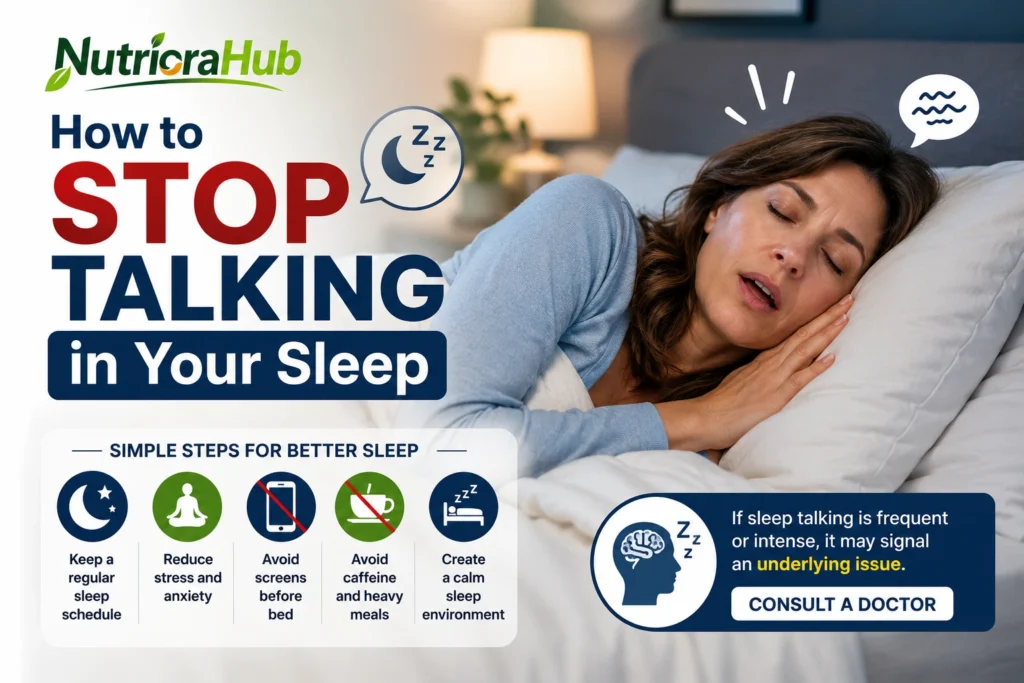
If sleep talking is disrupting your rest — or your partner’s — there are practical steps that can help answer Why Do People Talk in Their Sleep and reduce how often it happens. Here’s how to stop talking in your sleep, based on common recommendations from sleep specialists:
| Pros | Cons |
|---|---|
| Better sleep quality for both you and your partner | May require lifestyle changes that take time |
| Reduced anxiety and stress overall | Underlying causes can be hard to pinpoint |
| Improved memory and daytime focus | Some triggers, like genetics, can’t be changed |
| Fewer disruptions from fragmented sleep | May need professional evaluation for persistent cases |
| Lower risk of related parasomnias like sleepwalking | Results aren’t always immediate |
| More restful, deeper sleep cycles overall | Requires consistency to see lasting change |
What you eat plays a bigger role in sleep quality than most people realize. Good Nutrition rich in magnesium, tryptophan, and complex carbohydrates supports the production of melatonin and serotonin, both essential for falling and staying asleep. High Protein Foods eaten earlier in the day can also help stabilize blood sugar overnight, reducing the chances of waking up from energy crashes.
Platforms like NutrioraHub have made it easier to connect everyday food choices with better sleep outcomes, offering practical, approachable guidance instead of overwhelming science. Prioritizing what you eat alongside a consistent bedtime routine tends to produce the most noticeable improvement in both sleep quality and reducing sleep talking episodes.
Occasional sleep talking is usually harmless, but certain signs suggest it’s time to consult a professional rather than just wondering Why Do People Talk in Their Sleep and letting it go:
These signs could point to an underlying sleep disorder that needs a proper diagnosis rather than home remedies alone.
If you want to explore sleep health and Why Do People Talk in Their Sleep further, these five well-established resources are excellent, reliable places to start:
| Resource | Focus Area |
|---|---|
| National Sleep Foundation | Sleep science, habits, and disorder information |
| Mayo Clinic | Symptoms, causes, and treatment guidance |
| American Academy of Sleep Medicine | Professional sleep medicine standards and research |
| National Institute of Neurological Disorders and Stroke (NINDS) | Brain activity and sleep-related research |
| Cleveland Clinic | Detailed condition explanations and prevention tips |
It happens when the brain’s speech centers become partially active during certain sleep stages, most commonly linked to stress, sleep deprivation, or genetics.
Usually not — occasional sleep talking is harmless, but frequent episodes paired with other symptoms may warrant a conversation with a sleep specialist.
Yes, poor sleep disrupts emotional regulation, which can increase both anxiety levels and the likelihood of parasomnias like sleep talking.
No, most adults need seven to nine hours; 4 hours of sleep repeatedly leads to cognitive, emotional, and physical health issues over time.
Yes, paradoxical sleep (REM) involves high brain activity similar to being awake, which is why sleep talking during this stage often sounds emotional or dream-connected.
Improving sleep hygiene, managing stress, sticking to a consistent schedule, and treating underlying sleep disorders are the most effective natural approaches.
They can help if discomfort is the issue, but they won’t resolve sleep talking or fragmented sleep caused by stress, apnea, or other medical factors.
At the end of the day, Why Do People Talk in Their Sleep comes down to a fascinating mix of brain activity, stress, genetics, and sleep quality. For most people, it’s a harmless quirk — a strange little window into a mind that never fully switches off. But if it’s happening frequently, disrupting your rest, or paired with other symptoms, it’s worth paying attention to rather than brushing it aside.
Whether you’re dealing with fragmented sleep, wondering if you’ve simply taken a nap that’s throwing off your nighttime schedule, or genuinely curious about Why Do People Talk in Their Sleep the way they do, the answer usually points back to the same basics: consistency, stress management, and giving your body the rest it actually needs. Take care of your sleep, and more often than not, everything else — mood, focus, and even those late-night mumbles — tends to fall into place.


One thought on “Why Do People Talk in Their Sleep at 3 AM? Creepy Truth”