


Our Brains Are Thinking? 7 Secrets Yours Is Hiding
Table of Contents
Have you ever stopped in the middle of a busy afternoon and realized just how much is going on inside your head? Our Brains Are Thinking every single second of every single day, even when we feel like we are doing nothing at all. From the moment you open your eyes until the moment you fall asleep, Our Brains Are Thinking about what to eat, how to reply to a message, whether the door is locked, and a thousand other tiny decisions we barely notice.
It’s easy to take this nonstop mental activity for granted. But the truth is, keeping this incredible engine running smoothly takes the right fuel, the right habits, and real care. This article looks closely at what it means when we say Our Brains Are Thinking around the clock, why brain health deserves far more attention than it usually gets, and how simple daily habits can keep your mind sharp for decades to come.
Why “Our Brains Are Thinking” Is More Than Just a Phrase
When we say Our Brains Are Thinking, we’re not just talking about solving math problems or remembering a grocery list. We’re talking about an organ that never truly rests. Even during sleep, Our Brains Are Thinking in the background, sorting memories, repairing cells, and preparing us for the next day.
This constant activity is powered by nutrients, oxygen, and rest. Neglect any one of these, and the quality of how Our Brains Are Thinking begins to slip. You might notice slower recall, trouble focusing, or that heavy, foggy feeling that makes even simple tasks feel exhausting.
The Science Behind a Thinking Brain
Your thinking brain runs on glucose, oxygen, and a steady supply of vitamins and minerals. Every thought, memory, and decision fires through billions of neurons connected by trillions of synapses. When Our Brains Are Thinking clearly, those connections are firing efficiently. When they aren’t, everyday life starts to feel harder than it should.
A well-fed, well-rested thinking brain processes information faster, holds on to memories longer, and bounces back from stress more easily. This is why so many people are now turning toward natural support systems, structured routines, and better eating habits to keep their thinking, fast and slow brain in peak condition.
Raw Honey for Brain Health: An Old Remedy Worth a Second Look
Long before supplement aisles existed, people relied on raw honey for brain health and general wellness. Raw honey for brain health isn’t just an old wives’ tale — it’s packed with antioxidants that help reduce inflammation, a major factor that can slow down how Our Brains Are Thinking over time.
Raw honey for brain health also contains small amounts of natural sugars that provide a gentle, steady source of energy for the brain, unlike the sharp spikes and crashes you get from refined sugar. Many people add a spoonful to warm water, tea, or oatmeal in the morning as a simple ritual to support focus throughout the day.
Brain Gym Exercises and Brain Gym Activities: Train Your Mind Like a Muscle
Just like your body needs the gym, your mind needs its own version too. Brain gym exercises and brain gym activities are simple, structured movements and mental drills designed to strengthen the connection between both sides of the brain.
Popular brain gym exercises include:
- Cross-crawl movements (touching your right hand to your left knee and vice versa)
- Figure-eight tracing with your eyes or hands
- Simple memory and pattern-recognition games
- Puzzle-solving and word association drills
These brain gym activities aren’t just for kids in classrooms — adults benefit enormously too. Regular brain gym exercises have been linked to improved focus, better coordination, and sharper problem-solving skills. Because Our Brains Are Thinking constantly, giving them structured “workouts” helps keep those neural pathways strong and flexible, much like stretching keeps your muscles limber.
Brain Gummies: A Modern, Convenient Approach
For people who struggle to get enough brain-supporting nutrients from food alone, brain gummies have become a popular shortcut. Brain gummies typically combine ingredients like omega-3s, B-vitamins, and antioxidants in a tasty, chewable form that’s easy to fit into a busy morning routine.
While brain gummies should never replace a balanced diet, they can be a helpful addition for people on the go. The key is choosing brain gummies with minimal added sugar and clinically supported ingredients, rather than products that lean more on marketing than substance.
Brain Fog and Vitamins: Connecting the Dots
One of the most common complaints people bring up today is brain fog. That fuzzy, unfocused feeling where Our Brains Are Thinking, but nothing seems to click into place. Brain fog and vitamins are closely linked — deficiencies in vitamin B12, vitamin D, iron, and omega-3 fatty acids are frequently tied to poor concentration and mental fatigue.
Understanding the relationship between brain fog and vitamins is often the first step toward feeling clear-headed again. A simple blood test can reveal whether low nutrient levels are behind that persistent haze, and correcting deficiencies often brings noticeable improvement within weeks.
7 Secrets Your Brain Is Hiding
Here are seven often-overlooked truths about how Our Brains Are Thinking and functioning behind the scenes:
| Secret | What It Means |
|---|---|
| Your brain uses 20% of your daily energy | Even at rest, Our Brains Are Thinking and burning fuel constantly |
| Sleep is when memories are filed away | Poor sleep directly weakens how Our Brains Are Thinking the next day |
| Gut health affects mental clarity | The gut-brain connection influences mood and focus |
| Stress physically shrinks memory centers | Chronic stress can shrink the hippocampus over time |
| Social connection is brain food too | Isolation is linked to faster cognitive decline |
| Multitasking slows the brain down | Our Brains Are Thinking best when focused on one task |
| Movement boosts brainpower directly | Exercise increases blood flow and oxygen to the brain |
Daily Habits That Support How Our Brains Are Thinking
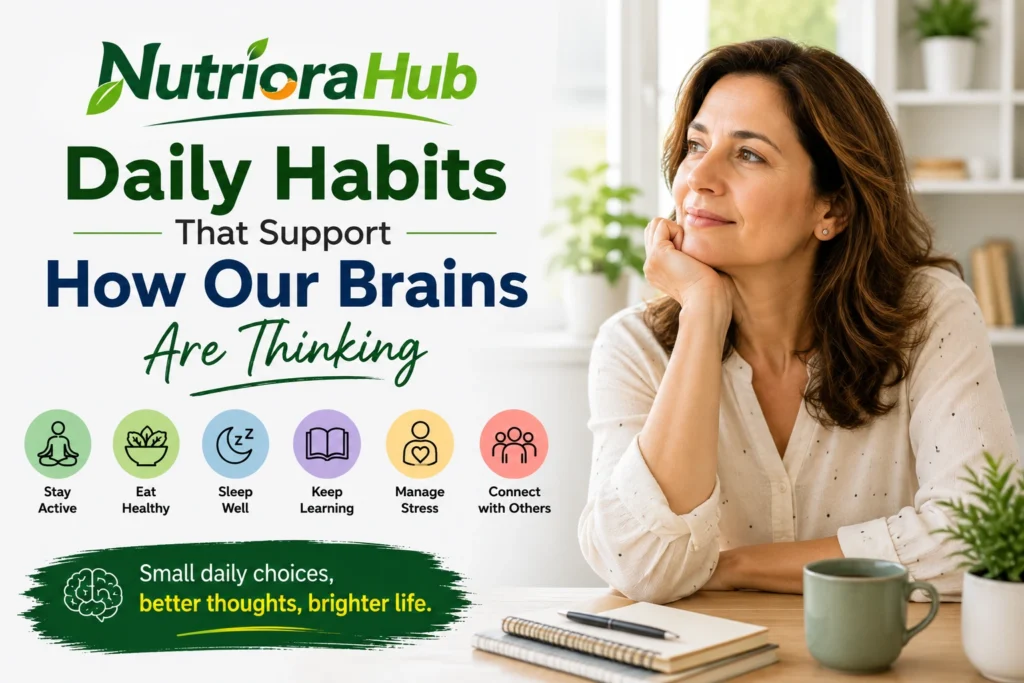
Below are practical, easy-to-follow habits worth building into your routine:
- Start your morning with a spoon of raw honey for brain health mixed into warm water or tea
- Spend 10 minutes on brain gym exercises before starting work
- Prioritize seven to nine hours of quality sleep every night
- Stay hydrated, since even mild dehydration affects how Our Brains Are Thinking and concentrating
- Get outside for natural light and a short walk
- Limit ultra-processed foods and added sugar
- Consider brain gummies as a convenient nutrient top-up, not a replacement for meals
- Address brain fog and vitamins deficiencies with a doctor’s guidance rather than guesswork
Pros and Cons of Focusing on Brain Health Habits
| Pros | Cons |
|---|---|
| Sharper memory and improved focus over time | Requires consistency; results aren’t instant |
| Natural options like raw honey for brain health are affordable and accessible | Not a substitute for medical treatment when needed |
| Brain gym exercises are free and can be done anywhere | Some brain gummies contain unnecessary added sugar |
| Better mood and reduced stress from healthy routines | Supplement quality varies widely between brands |
| Long-term protection against age-related cognitive decline | Takes time to notice improvement in brain fog symptoms |
| Supports how Our Brains Are Thinking during high-pressure situations | Easy to fall back into old habits without a routine |
How Nutrition Ties Everything Together
At the center of it all sits what’s on your plate. Good Nutrition isn’t just about maintaining a healthy weight; it’s the fuel behind every thought you have. High Protein Foods support neurotransmitter production, which directly affects mood, memory, and how quickly you process information. Healthy fats, leafy greens, and whole grains all play a role too, working together to keep energy levels steady throughout the day rather than causing the sharp highs and lows that leave you feeling drained by mid-afternoon. Sites and communities like NutrioraHub have made it easier for everyday people to understand how food choices connect directly to brain performance, offering approachable guidance rather than overwhelming scientific jargon.
It’s also worth noting that overall wellness is interconnected. For instance, many people ask, Can Stress Increase Cholesterol? The short answer is yes — chronic stress can influence cholesterol levels indirectly through hormonal changes and poor lifestyle choices, which in turn can affect blood flow to the brain. This is another reminder that Our Brains Are Thinking is never isolated from the rest of the body’s health.
Trusted Resources to Learn More
If you want to dig deeper into brain health, these five well-established resources are excellent starting points:
| Resource | Focus Area |
|---|---|
| Harvard Health Publishing | Brain health, aging, and cognitive research |
| National Institute on Aging (NIH) | Cognitive decline, memory, and brain science |
| Mayo Clinic | Symptoms, causes, and treatment guidance |
| Alzheimer’s Association | Brain health, prevention, and dementia research |
| World Health Organization (WHO) | Global mental and neurological health guidelines |
Building a Simple Weekly Routine
Consistency matters more than intensity when it comes to brain health. You don’t need hours of free time — just a realistic plan you can actually stick to. Here’s a sample weekly approach that blends several of the habits discussed above into something manageable:
| Day | Focus |
|---|---|
| Monday | 10 minutes of brain gym exercises, plus a spoon of raw honey for brain health in your morning tea |
| Tuesday | A short walk outdoors and an early bedtime to support memory consolidation |
| Wednesday | Review your diet for High Protein Foods and cut back on processed snacks |
| Thursday | Try a new brain gym activity, like a puzzle or a memory game |
| Friday | Check in on hydration and consider brain gummies if your diet has gaps |
| Saturday | Social time with friends or family — connection is brain food too |
| Sunday | Rest, reflect, and plan the week ahead with a clear mind |
Small, repeatable actions like these compound over weeks and months. You don’t have to overhaul your entire lifestyle overnight; you just have to start somewhere and stay consistent.
Frequently Asked Questions
1. Why do we say Our Brains Are Thinking even during rest?
Because the brain remains metabolically active during rest and sleep, processing memories and regulating the body even when we aren’t consciously aware of it.
2. Does raw honey for brain health actually work?
Raw honey contains antioxidants that may help reduce inflammation, which supports overall brain function, though it should be used alongside a balanced diet, not as a standalone cure.
3. How often should I do brain gym exercises?
Just 10 to 15 minutes a day of brain gym exercises or brain gym activities can help improve focus and coordination over a few weeks.
4. Are brain gummies safe for daily use?
Most brain gummies are safe when used as directed, but it’s smart to check for added sugar and speak with a doctor if you’re on other medications.
5. What vitamins help with brain fog?
Brain fog and vitamins are closely connected, with B12, vitamin D, and omega-3s being among the most commonly linked to improved mental clarity.
6. Can a poor diet really affect how Our Brains Are Thinking?
Yes. Nutrient deficiencies, especially in protein, healthy fats, and key vitamins, can measurably slow down focus, memory, and processing speed.
7. Is it ever too late to start improving brain health?
Not at all. The brain has a remarkable ability called neuroplasticity, meaning it can build new connections and adapt at nearly any age when given the right support and consistent habits.
Final Thoughts
At the end of the day, Our Brains Are Thinking whether we pay attention to them or not. The real question is whether we’re giving that constant mental activity the support it deserves. Small, consistent choices — a spoonful of raw honey for brain health, a few minutes of brain gym exercises, smarter attention to brain fog and vitamins, and genuinely balanced eating habits — add up to a sharper, more resilient theory of mind over time.
Your brain has been working nonstop since the day you were born, and it will keep working long after today is over. It doesn’t ask for much: steady sleep, real food, a bit of movement, and a few minutes of mental exercise here and there. Give it the care it deserves, and you’ll likely notice the difference in how clearly, quickly, and confidently Our Brains Are Thinking through whatever life brings next. Start with just one small habit today, and let it grow from there — your future self will thank you for it.
One thought on “Our Brains Are Thinking? 7 Secrets Yours Is Hiding”