 11
11
Our brains are thinking, remembering, and processing information every single second of every single day, whether we’re consciously aware of it or not. From remembering where you left your keys to recalling a childhood memory that still makes you smile, your brain’s memory system is one of the most fascinating and complex networks in the entire human body. Yet most of us never stop to think about how memory actually works — until we start forgetting things more often than we’d like.
If you’ve been searching for ways to support your memory naturally, or you’ve come across supplement names like MemoCept or MemoryFuel while researching brain health products, you’re definitely not alone. The brain health supplement industry has exploded in recent years, and it can be genuinely overwhelming to figure out what’s legitimate, what’s marketing hype, and what actually deserves a place in your daily routine.
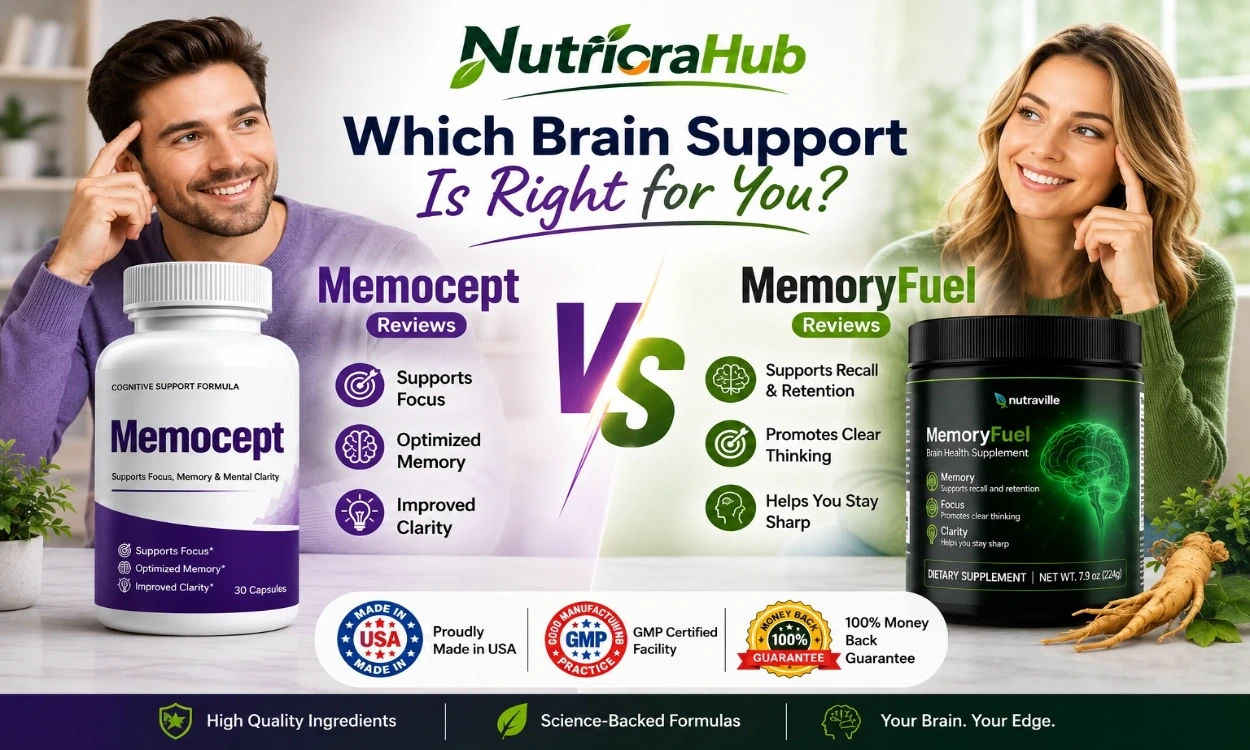
This guide breaks it all down — how memory works, what really affects it, and how to think critically about products like MemoCept Reviews or MemoryFuel Reviews before you spend your money.
Before diving into supplements or lifestyle changes, it helps to understand what’s actually happening inside your skull. Memory isn’t stored in one single location — it’s a distributed process involving several brain regions working together:
Every time you learn something new, your brain is literally rewiring itself. This is the foundation of what scientists call neuroplasticity, and it’s the reason memory can actually improve with the right habits — it’s not a fixed trait you’re stuck with.
Memory decline isn’t just something that happens to older adults. Plenty of people in their 20s and 30s complain about brain fog, forgetfulness, and difficulty concentrating. Some of the most common culprits include:
The good news is that nearly all of these factors are within your control.
You can’t out-supplement a poor diet, and this is where Good Nutrition becomes non-negotiable if brain health is your goal. Your brain consumes roughly 20% of your body’s total energy, despite making up only about 2% of your body weight — which means what you eat has an outsized impact on how well it functions.
A few brain-friendly nutrition principles worth building into your routine:
Nutrition-focused platforms and communities like NutrioraHub have gained popularity precisely because people are realizing that brain health starts on the plate, not in a pill bottle.
If there’s one habit that has more research backing its impact on memory than almost anything else, it’s sleep. During deep, slow-wave sleep, your brain replays the day’s experiences and transfers short-term memories into long-term storage. Skip this process repeatedly, and you’re essentially asking your brain to file important information without ever actually filing it.
Tips for better sleep-supported memory:
Anxiety and memory are more connected than most people realize. When your brain is stuck in a fight-or-flight state, it prioritizes threat detection over information storage — which is why anxious people often describe feeling “foggy” or unable to concentrate.
This is where Meditation Techniques for Anxiety come in as a genuinely evidence-backed tool, not just a wellness trend. A few approaches worth trying:
Even ten minutes a day of consistent practice has been shown to produce measurable improvements in attention and short-term recall.
This is where products like MemoCept and MemoryFuel typically enter the conversation. Both are marketed as brain-support or “nootropic” supplements, generally built around ingredient categories that have some research behind them individually — things like Bacopa monnieri, Ginkgo biloba, phosphatidylserine, Omega-3s, or B-vitamin complexes.
Here’s the honest truth: individual ingredients in these formulas have been studied, but that doesn’t automatically mean every finished product delivers the same results. Effectiveness depends heavily on dosage, ingredient quality, bioavailability, and how the formula is combined — details that vary a lot between brands and aren’t always disclosed clearly on the label.
| Factor to Check | Why It Matters |
|---|---|
| Ingredient transparency | Proprietary blends often hide actual dosages |
| Clinical dosing | Many products underdose key ingredients compared to studies |
| Third-party testing | Confirms purity and label accuracy |
| Return policy | A confident brand usually offers one |
| Verified customer feedback | Look beyond the brand’s own website |
| Price per serving | Compare cost against dosage, not just bottle price |
If you’re currently deciding between the two, it’s worth noting that MemoryFuel has been around longer and has a more established track record, which for many buyers researching MemoCept Reviews or MemoryFuel Reviews makes it the more reassuring option to start with while newer formulations continue building their own history of customer feedback.

Supplements aside, here are habits with strong scientific backing:
Mild, normal changes can begin as early as your 40s, but significant decline is not inevitable and depends heavily on lifestyle factors.
Most are designed to support cognitive function and may help with everyday forgetfulness, but they are not medical treatments for diagnosed conditions like dementia.
Most brands suggest 4–8 weeks of consistent use before evaluating effectiveness, since many ingredients build up gradually in the body.
Always consult a healthcare provider before combining any supplement with prescription medication, especially blood thinners or antidepressants.
Research consistently shows lifestyle factors (sleep, diet, exercise, stress management) have the largest overall impact, with supplements playing a supporting role at best.
Yes. Chronic anxiety keeps the brain in a heightened stress state, which interferes with the hippocampus’s ability to encode and store new information.
Before purchasing any brain health product, it’s worth doing your own comparison shopping across multiple independent sources rather than relying on a single review.
Read more reviews of health supplements here to cross-check ingredient claims, pricing, and real customer experiences before making a final decision.
Your memory isn’t a fixed asset that only declines with age — it’s a dynamic system that responds to how you treat your body and mind every single day. Good Nutrition, quality sleep, regular movement, and stress management through tools like meditation form the real foundation of long-term brain health. Supplements, including options people research through MemoCept Reviews or MemoryFuel Reviews, can play a supporting role, but they work best as an addition to — not a replacement for — these fundamentals.
If you do decide a supplement is right for you, take the time to compare ingredient transparency, dosage, and real customer feedback rather than relying on marketing copy alone. Your brain works hard for you every day — it deserves an informed approach in return.