 11
11
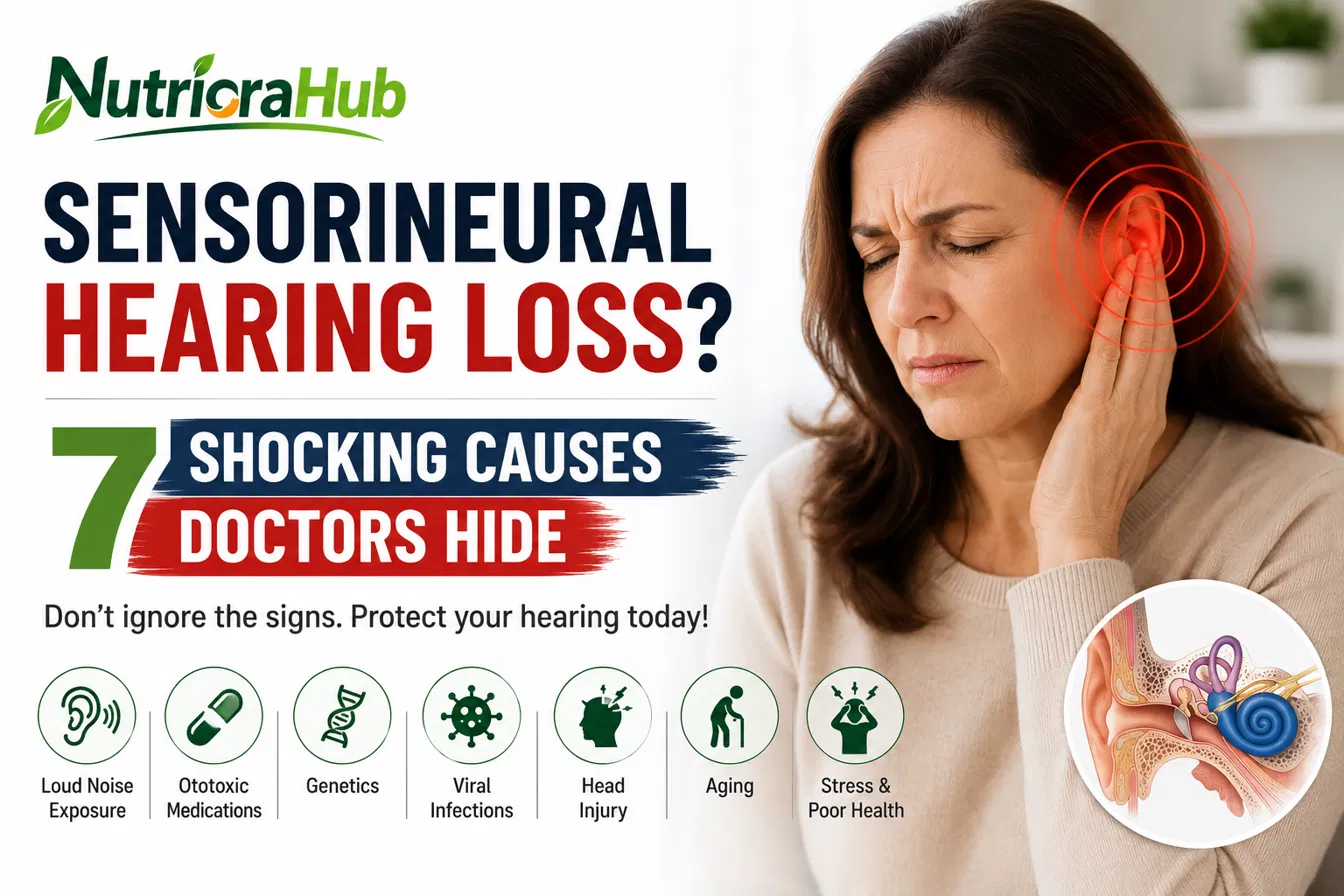
Have you noticed conversations sounding muffled, the TV needing to be louder than it used to, or people seeming like they’re mumbling more often than before? These are classic early signs of Sensorineural Hearing Loss, and it’s far more common than most people realize. In fact, this type of hearing loss accounts for the vast majority of permanent hearing loss cases worldwide, yet so many people live with it for years before ever getting properly diagnosed.
This guide breaks down everything you need to know about Sensorineural Hearing Loss — what causes it, how it’s different from other types of hearing loss, the treatment options available today, and the small daily habits that can help protect the hearing you still have. We’ll also cover comparison tables, pros and cons of treatment options, and answer the questions people ask most.
🛒 Sponsored: Looking for a solution built specifically for hearing challenges like this? [Check out our recommended hearing support product here] —
So, what is Sensorineural Hearing Loss exactly? In simple terms, it’s hearing loss caused by damage to the tiny hair cells inside the inner ear (the cochlea) or damage to the auditory nerve that carries sound signals to the brain. Unlike conductive hearing loss, which happens when sound simply can’t pass through the outer or middle ear properly, this condition involves the actual sound-processing system itself.
This is why Sensorineural Hearing Loss is often permanent — once those delicate hair cells are damaged, they don’t regenerate on their own the way skin or other tissues might. That said, permanent doesn’t mean untreatable. Modern hearing technology has come a long way in helping people manage sensorineural deafness hearing aids and live full, connected lives.
There isn’t just one single cause. This condition can develop from a wide range of factors, some sudden and some that build up slowly over decades. Here’s a breakdown of the most common causes:
| Cause | How It Affects Hearing |
|---|---|
| Aging (presbycusis) | Natural wear on inner ear hair cells over time |
| Noise exposure | Loud sounds damage hair cells, often gradually |
| Genetics | Inherited conditions affecting the cochlea or nerve |
| Ototoxic medications | Certain drugs can damage inner ear structures |
| Viral infections | Illnesses like mumps or meningitis can trigger sudden loss |
| Head trauma | Injury can damage the auditory nerve directly |
| Meniere’s disease | Fluid imbalance in the inner ear affecting hearing and balance |
Understanding your own risk factors is often the first step toward catching Sensorineural Hearing Loss early, before it progresses further.
It helps to understand where sensorineural fits into the bigger picture of hearing loss:
This distinction matters a lot, because treatment approaches differ significantly. Conductive issues can sometimes be corrected with medication or minor procedures, while true sensorineural damage usually requires amplification technology or, in more severe cases, cochlear implants.
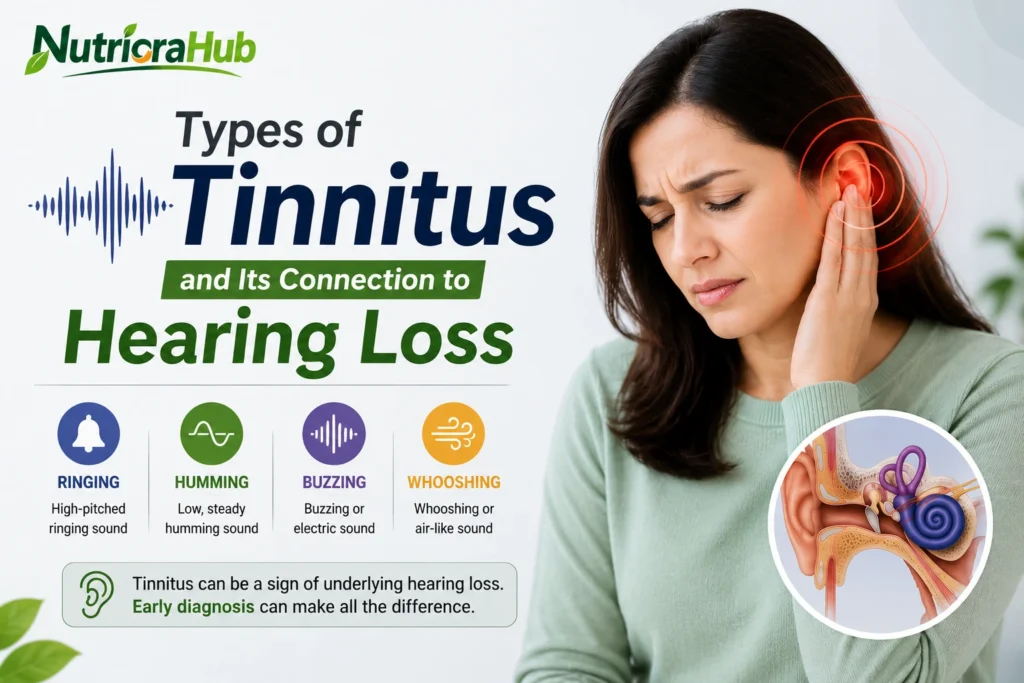
Many people dealing with Sensorineural Hearing Loss also experience ringing, buzzing, or hissing sounds in their ears — a condition known as tinnitus. There are actually different types of tinnitus, and understanding which one you’re dealing with can help guide treatment:
Because the same damaged hair cells responsible for this hearing loss often also trigger tinnitus, treating one frequently brings some relief to the other.
The good news is that today’s hearing aid sensorineural loss technology is more advanced, discreet, and effective than ever before. Depending on the severity and pattern of your hearing loss, several options exist:
One of the most popular and versatile styles, hearing aids behind ear devices sit comfortably behind the ear with a small tube or wire delivering sound into the ear canal. They’re a strong choice for a wide range of hearing loss levels, from mild to severe, and tend to be easier to handle for people with dexterity challenges.
For people who have profound hearing loss in one ear but normal or near-normal hearing in the other, a cros hearing aid can be life-changing. Crossover hearing aids work by picking up sound from the weaker ear and transmitting it wirelessly to the better-hearing ear, so nothing gets missed.
If both ears have some degree of loss, a BiCROS system (a variation of cros hearing aids) amplifies sound on both sides while still routing signal from the weaker ear. People often search for cross aids hearing solutions after realizing they consistently miss conversations happening on their affected side — this technology solves exactly that problem.
| Pros | Cons |
|---|---|
| Significantly improves speech understanding and quality of life | Adjustment period needed to get used to amplified sound |
| Modern devices are discreet, like hearing aids behind ear styles | Cost can be high, and insurance coverage varies |
| CROS and crossover hearing aids solve single-sided deafness effectively | Requires regular maintenance, cleaning, and battery changes |
| Reduces the mental fatigue of straining to hear | Doesn’t fully restore hearing to “normal” in severe cases |
| Can reduce tinnitus symptoms in many users | May take multiple fittings to get the settings just right |
| Wide range of styles and technology levels to choose from | Some models can pick up background noise in loud environments |
Whether you already have Sensorineural Hearing Loss or want to protect the hearing you have, these habits genuinely help:
It might surprise you, but diet plays a real role in supporting healthy hearing. Good Nutrition rich in folate, magnesium, potassium, and omega-3 fatty acids has been linked to better inner ear blood flow and reduced risk of age-related hearing decline. High Protein Foods like fish, eggs, and legumes also support the overall health of nerve tissue, including the auditory nerve involved in this condition.
Platforms like NutrioraHub have helped make these food-and-hearing connections easier to understand for everyday people, turning complex nutritional science into practical, doable habits.
Don’t wait too long if you notice signs of Sensorineural Hearing Loss. See an audiologist or ENT specialist if you experience:
Sudden Sensorineural Hearing Loss in particular needs prompt medical attention — ideally within 72 hours — since early treatment with steroids can sometimes help recover partial hearing.
Getting a diagnosis can feel overwhelming at first, but plenty of people go on to live full, active lives once they find the right combination of support and technology. Here are a few practical tips that make everyday life easier:
None of these steps erase the challenge of hearing loss, but together they can make daily life noticeably smoother and less stressful.
If you want to explore Sensorineural Hearing Loss and hearing health further, these five well-established resources are excellent, reliable places to start:
| Resource | Focus Area |
|---|---|
| National Institute on Deafness and Other Communication Disorders (NIDCD) | Research-based hearing loss information |
| Mayo Clinic | Symptoms, causes, and treatment guidance |
| American Academy of Audiology | Professional hearing care standards and resources |
| Cleveland Clinic | Detailed condition explanations and prevention tips |
| World Health Organization (WHO) | Global hearing loss prevention guidelines |
It’s hearing loss caused by damage to the inner ear’s hair cells or the auditory nerve, making it different from blockage-related conductive hearing loss.
In most cases, no — the damage is typically permanent, but hearing aids and cochlear implants can significantly improve how well someone hears and communicates.
A cros hearing aid transmits sound from your weaker ear to your better ear, while regular hearing aids simply amplify sound directly in the ear that’s wearing them.
It depends on the severity of loss and personal preference — behind ear styles generally offer more power and are easier to handle, especially for more significant hearing loss.
The most common types include subjective, objective, pulsatile, and neurological tinnitus, with subjective tinnitus being the type most closely tied to this form of hearing loss.
Not always, but sudden sensorineural deafness hearing aids and treatments are often needed quickly, since sudden cases are considered a medical emergency requiring prompt evaluation.
Yes — supporting your body with balanced nutrients helps maintain healthy blood flow to the inner ear, which can slow the progression of age-related hearing changes.
Sensorineural Hearing Loss can feel isolating at first, especially when conversations start slipping away or the world seems to get a little quieter each year. But understanding what’s happening — and knowing that solutions like crossover hearing aids, hearing aids behind ear, and other modern technology exist — can make all the difference in how you approach it.
Don’t wait for hearing loss to become a bigger barrier than it needs to be. Get tested, ask questions, protect your ears going forward, and explore the treatment options available today. With the right support, Sensorineural Hearing Loss doesn’t have to mean missing out on the conversations, music, and moments that matter most to you.


One thought on “Sensorineural Hearing Loss? 7 Shocking Causes Doctors Hide”